
Imagine walking into your kitchen and spotting appliances that not only perform exceptionally well but also enhance the aesthetic of your space. You might wonder if stainless steel is the secret ingredient behind this harmonious blend of function and style.
Are all kitchen appliances made of stainless steel, or is there more to the story? As you explore the maze of choices available, understanding the materials used in your kitchen appliances can transform your culinary haven into a place of inspiration.
Stainless steel often seems like the go-to choice, but does it truly dominate the landscape? Discover the truth behind the sleek surfaces and learn how to make informed decisions that align with your needs and preferences. By diving deeper into this topic, you will unlock insights that can elevate your kitchen experience, turning everyday cooking into a delightful affair. Stay with us as we unravel the mysteries of kitchen appliance materials, ensuring that your next purchase is both smart and stylish.
Credit: www.universityelectric.com
Common Materials In Kitchen Appliances
When you're choosing kitchen appliances, the material they're made from can influence their durability, maintenance, and aesthetic appeal. While stainless steel is a popular choice, not all appliances are made solely from this material. It's crucial to understand the variety of materials used in kitchen appliances to make informed decisions that suit your needs and style. Let’s delve into the common materials you’ll find in your kitchen.
Stainless Steel Popularity
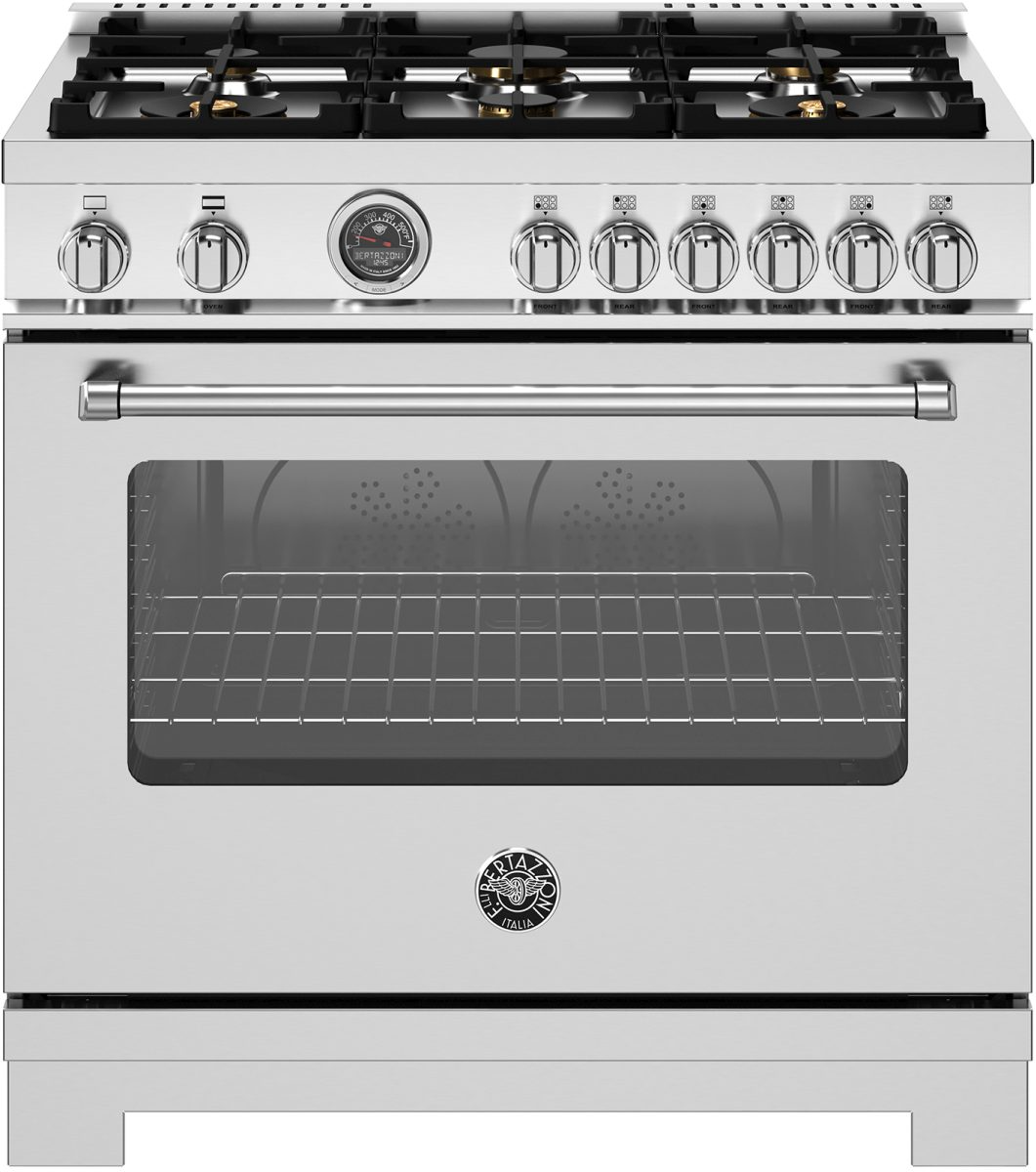
Stainless steel is often the go-to choice for many kitchen appliances, and for good reason. It's known for its durability and resistance to rust and stains, making it ideal for those who want long-lasting kitchen tools. Its sleek and modern look can match almost any kitchen design. You might notice that your stainless steel fridge or oven gives your kitchen a professional feel. But, have you ever wondered if the fingerprints it attracts might be a downside for you?
Plastic Components
Plastic is frequently used in smaller kitchen appliances and components, such as blender jars and microwave parts. It's lightweight, affordable, and versatile. Plastic can be molded into various shapes and colors, offering flexibility in design. However, it may not have the same longevity as stainless steel. Consider how often you use your blender or food processor; plastic might be practical but ensure it's BPA-free for safety.
Glass Elements
Glass is another common material found in kitchen appliances, particularly in items like oven doors, blender pitchers, and coffee pots. It’s visually appealing and easy to clean. You can see through glass, allowing you to monitor your cooking or blending process easily. Glass doesn't stain and can withstand high temperatures. Yet, its fragility means it requires careful handling. Do you trust yourself not to drop that glass blender jar?
Ceramic Usage
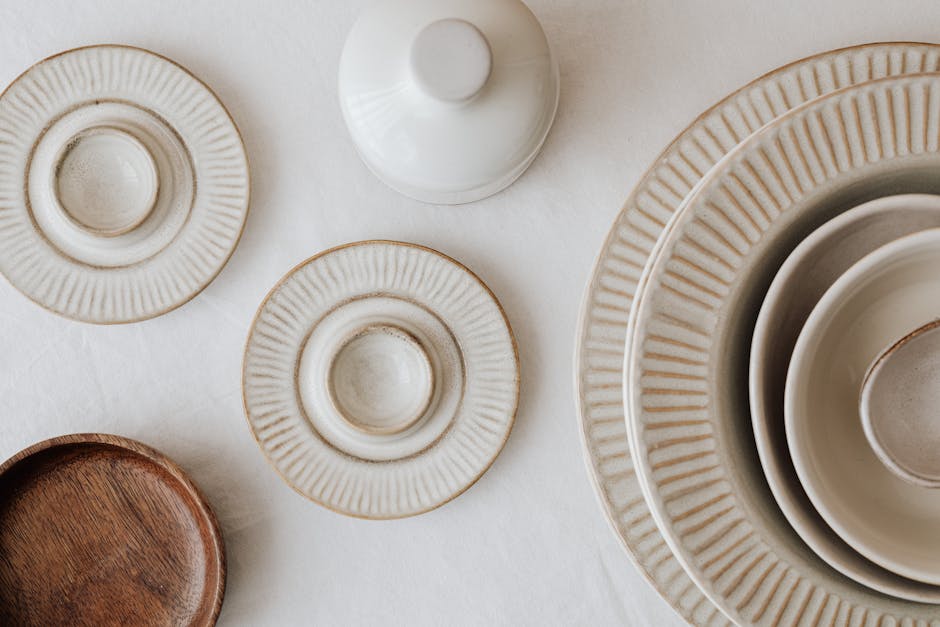
Ceramic materials are primarily used in kitchen appliances that deal with heat, such as crockpots and electric kettles. They offer excellent heat retention and even distribution, which is perfect for slow cooking. Ceramic is non-reactive and safe for cooking, as it doesn’t leach chemicals. However, ceramics can be heavy and may crack if dropped. Think about how often you move your crockpot around; is ceramic the right choice for your lifestyle?
As you navigate through the choices of materials, weigh their pros and cons based on your cooking habits and kitchen environment. Each material offers unique benefits and challenges that could impact your daily kitchen activities. What material will best suit your culinary adventures?
Credit: us.bertazzoni.com
Advantages Of Stainless Steel
Stainless steel has become a popular choice in kitchen appliances for good reasons. It’s not just about making your kitchen look sleek and modern. Stainless steel offers several advantages that go beyond aesthetics. Let’s dive into why stainless steel is a preferred material for many homeowners.
Durability And Longevity
Stainless steel is known for its durability. This means it can withstand the hustle and bustle of daily kitchen activities. You might have noticed how your stainless steel fridge remains unfazed by the occasional bump or scratch. Unlike other materials, it doesn’t easily dent or show wear.
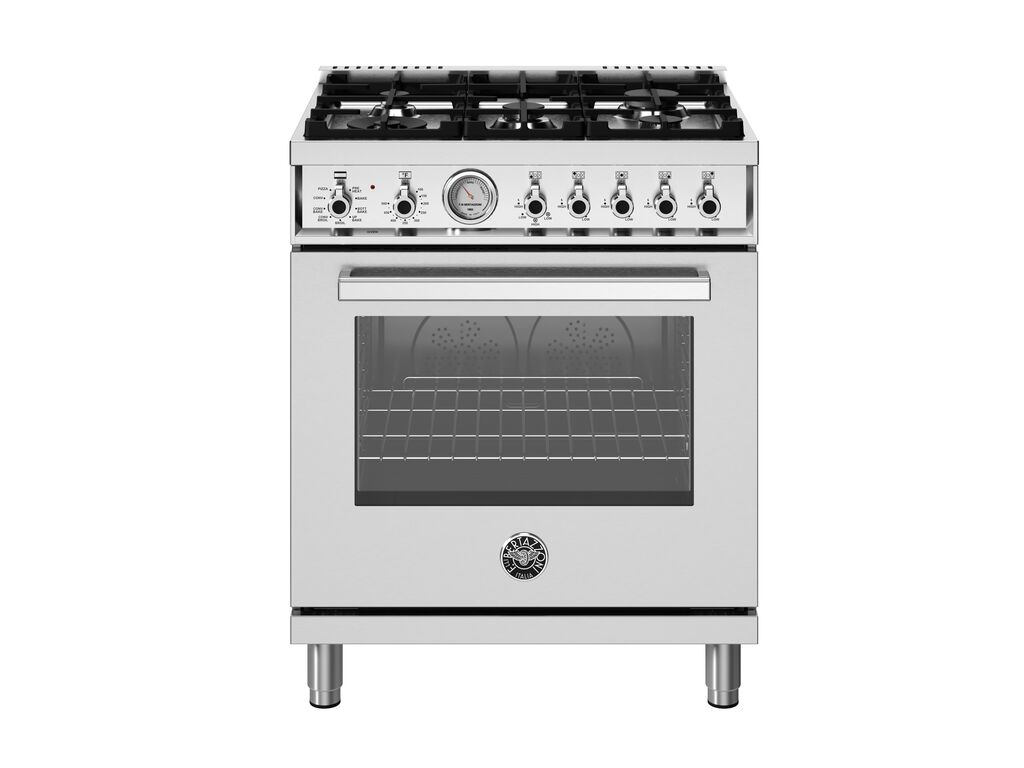
The longevity of stainless steel appliances is remarkable. They resist rust and corrosion, ensuring a longer lifespan. Consider your stainless steel oven, which has stood the test of time. Its durability saves you money on frequent replacements.
Aesthetic Appeal
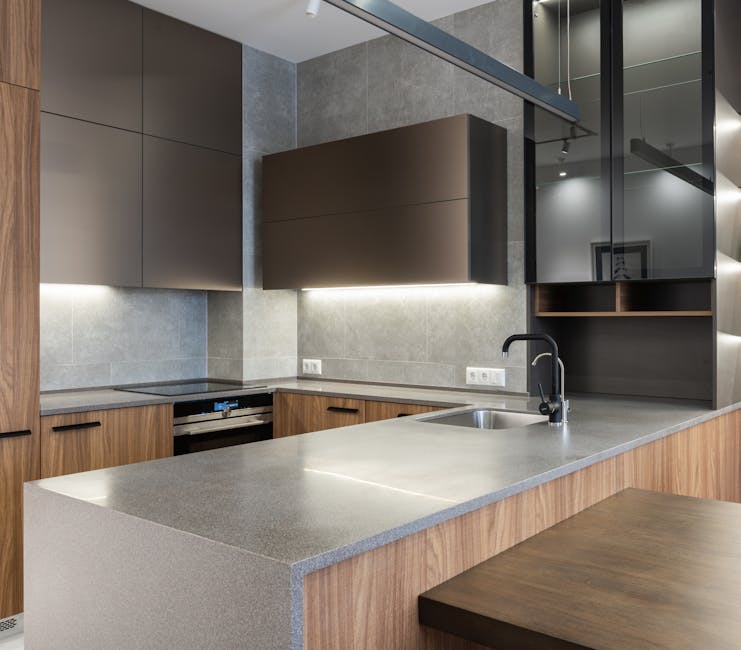
Stainless steel appliances add a touch of elegance to any kitchen. Their shiny surface catches the eye and elevates the overall design. Imagine walking into a kitchen where everything gleams with sophistication.
These appliances complement various styles, from contemporary to traditional. They harmonize with different color schemes and materials. Your kitchen can easily become a showroom-worthy space with stainless steel as the centerpiece.
Ease Of Cleaning
Cleaning stainless steel is straightforward. A simple wipe with a damp cloth often removes smudges and fingerprints. You've likely experienced the relief of quickly cleaning your stainless steel dishwasher after a busy family dinner.
Unlike other surfaces, stainless steel doesn’t harbor bacteria. This makes it a hygienic choice for your kitchen. You can spend less time cleaning and more time cooking, knowing your appliances remain sanitary.
So, why not consider stainless steel for your next kitchen upgrade? It offers practicality and style, ensuring your appliances serve you well for years to come. Are you ready to make your kitchen both functional and fabulous?
Drawbacks Of Stainless Steel
Stainless steel is a popular choice for kitchen appliances due to its sleek appearance and durability. However, it’s not without its drawbacks. Before you decide to outfit your kitchen with stainless steel appliances, consider some of the potential downsides.
Cost Considerations
One of the first things you might notice about stainless steel appliances is the price tag. Stainless steel is often more expensive than other materials. You might wonder if the extra cost is worth it.
Consider your budget. If you’re planning a kitchen renovation, the cost of stainless steel appliances can quickly add up. While they offer longevity, the initial investment can be steep.
Fingerprints And Smudges
Have you ever noticed how easily fingerprints appear on stainless steel surfaces? It’s a common issue. Stainless steel is notorious for showing smudges, which can make your kitchen look messy.
If you have kids, you know how often little hands touch everything. Keeping stainless steel appliances clean can become a daily chore. Regular maintenance is necessary to keep them looking pristine.
Weight Issues
Stainless steel appliances are heavier than their counterparts made from other materials. This can be a concern during installation. If you plan to move appliances around, consider their weight.
Heavier appliances might require additional support or specialized handling. This can lead to extra costs or complications during your kitchen setup. Consider whether the weight is manageable for your space.
Does the elegance of stainless steel outweigh its drawbacks for you? Weigh your options carefully, considering both your aesthetic preferences and practical needs. Your kitchen should be a place that combines beauty with functionality, aligning with your lifestyle and budget.

Credit: www.warnersstellian.com
Alternative Materials In Modern Appliances
Stainless steel is popular in kitchens. But it's not the only option. Many appliances today use different materials. These alternatives offer unique benefits. They can enhance your kitchen's look. Let's explore them.
Aluminum Applications
Aluminum is lightweight. It's often used in kitchen gadgets. This metal is easy to shape. It's also durable and resistant to rust. Many mixers and blenders feature aluminum parts. Aluminum conducts heat well. So it's great for cookware too.
Composite Materials
Composite materials blend different substances. They offer strength and flexibility. Many modern appliances use composites. This helps reduce weight. It also adds design possibilities. You'll find them in high-end ovens and cooktops. Composites resist scratches and dents. This keeps appliances looking new.
Innovative Designs
Design innovation is on the rise. Manufacturers use glass and plastic creatively. Glass adds elegance and is easy to clean. Plastic is versatile and can be colored. It’s used in handles and trims. Innovative designs make appliances stand out. They can match any kitchen style.
Trends In Kitchen Appliance Materials
Kitchen appliances are evolving. Materials are at the forefront of this change. Stainless steel remains popular. Yet, new materials are emerging. These changes offer variety and functionality.
Sustainable Options
Eco-friendly materials are gaining popularity. Bamboo and recycled metals are leading the way. Consumers seek appliances with a lower carbon footprint. This trend reflects a shift towards sustainability. It meets the demand for environmentally conscious choices.
Colorful Choices
Color adds personality to kitchens. Bright appliances are now a trend. Pastels and bold colors are in vogue. These options transform kitchen aesthetics. Colorful appliances create a unique atmosphere. They make kitchens more inviting and vibrant.
Hybrid Models
Hybrid models combine materials for enhanced performance. Glass and stainless steel pair well for durability. Plastic and metal combinations offer affordability. These models offer flexibility and innovation. They cater to various consumer preferences and needs.
Choosing The Right Material
Stainless steel is popular in kitchen appliances for its durability and sleek look. Yet, not all appliances use it. Some feature glass, plastic, or aluminum for unique purposes and styles. Consider the material's function and maintenance before choosing.
Choosing the right material for kitchen appliances can significantly impact your cooking experience and the overall look of your kitchen. Stainless steel is a popular choice due to its durability and sleek appearance, but it’s not the only option. Understanding how various factors influence your decision will help you make the best choice for your home.
Budget Factors
Your budget plays a crucial role in selecting kitchen appliance materials. Stainless steel can be more expensive than other options like plastic or aluminum. If you're working with a tight budget, consider alternatives that offer similar functionality but at a lower cost. Many budget-friendly materials can still provide a modern look, just without the high price tag.
Functional Needs
Consider how you use your kitchen appliances. Stainless steel is known for its durability and resistance to corrosion, making it ideal for heavy-duty cooking. If you frequently cook at high temperatures or need appliances that withstand wear and tear, stainless steel might be your best bet. However, if your cooking is light and occasional, other materials might serve you just as well.
Personal Preferences
What does your dream kitchen look like? Some people love the shiny, professional appearance of stainless steel, while others prefer the warmth of colored appliances. Your kitchen should reflect your style. If stainless steel feels too cold or industrial for your taste, explore options like enameled surfaces or colorful plastics. Did you ever choose an appliance just because it matched your favorite color? Personal preferences can sometimes outweigh practicality, and that’s perfectly okay. It's your kitchen, after all! Making informed decisions will ensure your kitchen not only functions well but also feels like a place you love to be.
Frequently Asked Questions
Are All Kitchen Appliances Stainless Steel?
Not all kitchen appliances are made of stainless steel. Manufacturers use materials like plastic, glass, and aluminum. Stainless steel is popular for its durability and sleek appearance. However, some appliances prioritize cost-effectiveness, weight reduction, or specific functional needs, leading to the use of alternative materials.
What Are Common Materials In Kitchen Appliances?
Common materials used in kitchen appliances include stainless steel, plastic, glass, and aluminum. Stainless steel offers durability and a modern look. Plastic is lightweight and cost-effective. Glass is often used for aesthetic purposes and clarity. Aluminum provides a lighter option for certain appliance components.
Why Choose Stainless Steel Appliances?
Stainless steel appliances are popular for their durability, resistance to rust, and elegant appearance. They are easy to clean and maintain. Their shiny finish adds a modern touch to kitchens. Many homeowners prefer stainless steel for its long-lasting nature and ability to match various kitchen styles.
Are Stainless Steel Appliances Expensive?
Stainless steel appliances are generally more expensive than those made from plastic or aluminum. Their durability and aesthetic appeal justify the higher price. They offer long-term value due to their resistance to rust and wear. Choosing stainless steel can be an investment in quality and style for your kitchen.
Conclusion
Stainless steel dominates many kitchens today. But not all appliances use it. Some blend different materials for style and function. Options include plastic, glass, and aluminum. Each has pros and cons. Durability, cost, and aesthetics matter when choosing. Stainless steel remains popular for its sleek look and strength.
Yet, other materials offer unique benefits too. Consider your needs and preferences. Find what's best for your kitchen. Mix materials for a balanced approach. Embrace variety in your kitchen choices. Make informed decisions. Your kitchen can be both stylish and practical.