
Ever found yourself wondering if that shiny new refrigerator is part of your home's fixtures or if it's actually personal property? You're not alone.
The distinction can be tricky, yet it's crucial, especially when you’re buying or selling a home. Imagine walking into your new home, only to find the kitchen appliances missing! Understanding whether kitchen appliances are considered fixtures or personal property can save you from unexpected surprises and help you make informed decisions.
Dive into this article, and you’ll uncover exactly how these distinctions impact you and your home. Ready to clear up the confusion and protect your investment? Let’s get started!
Credit: www.studio-shed.com
Understanding Fixtures
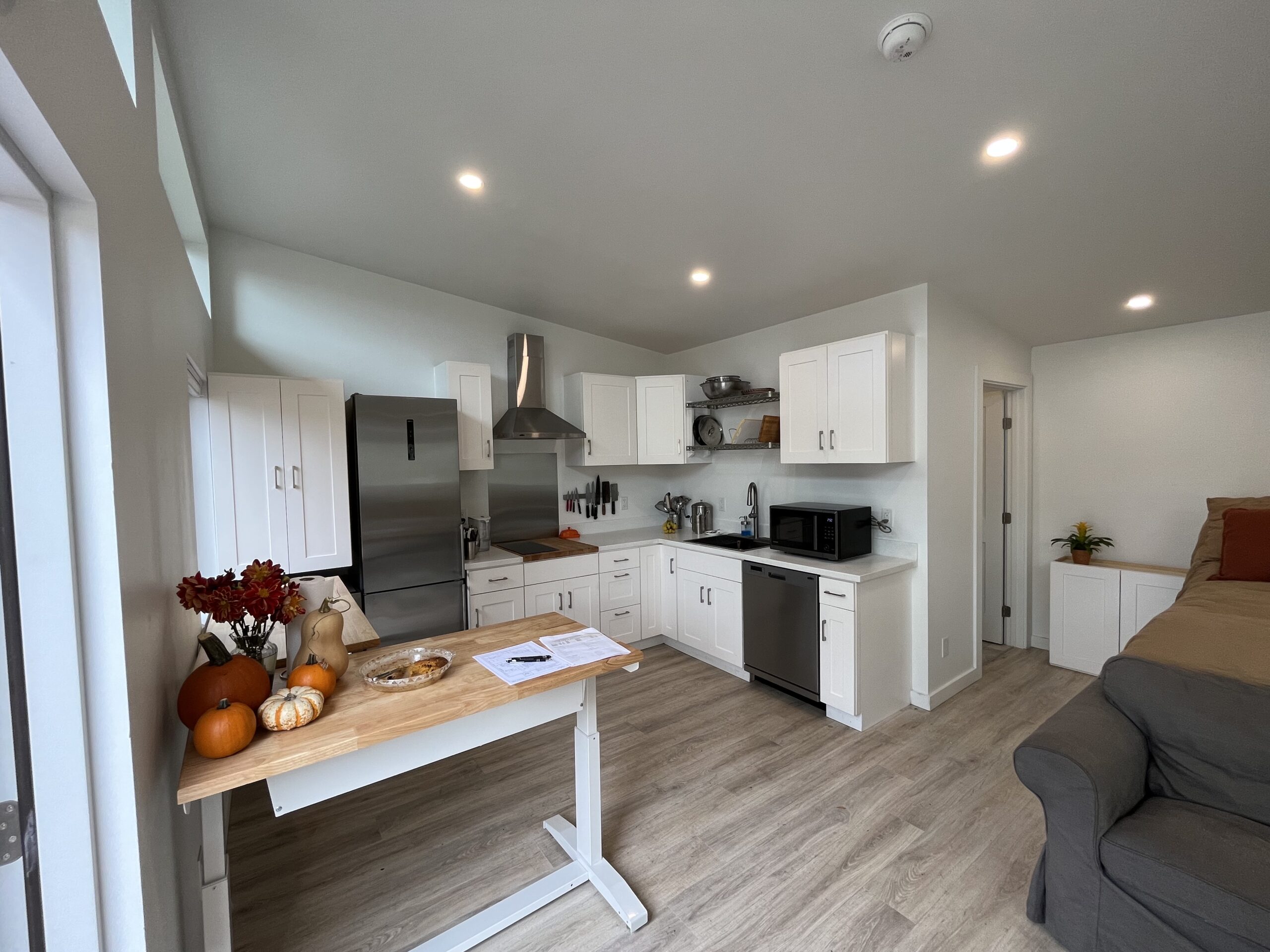
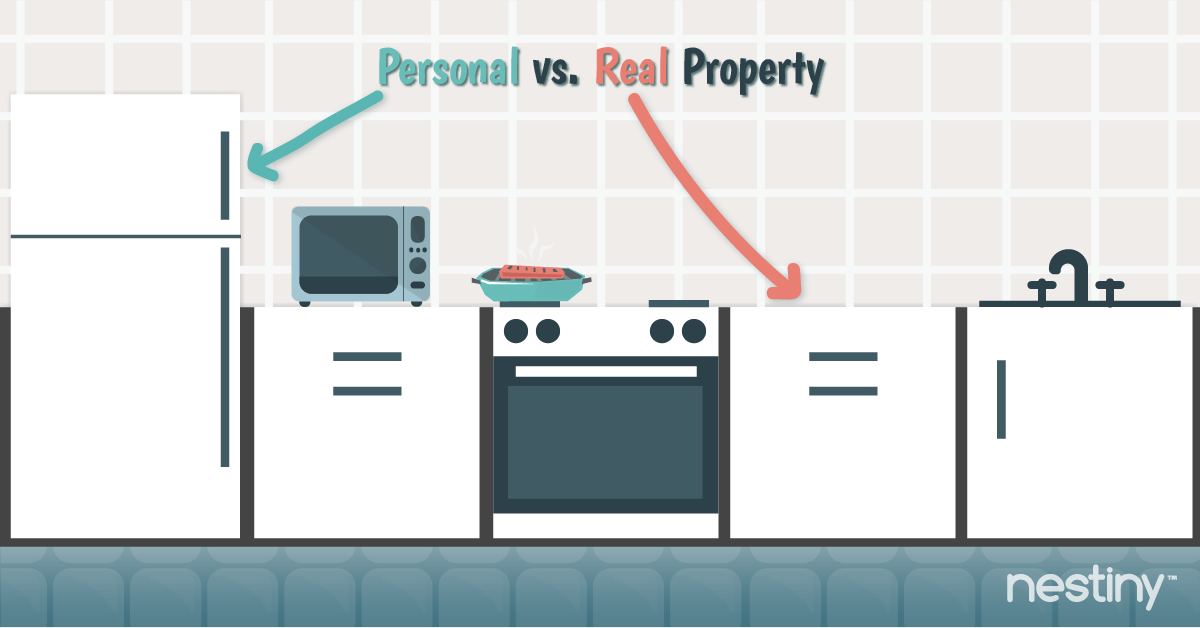
Determining whether kitchen appliances are fixtures or personal property depends on how they are attached to the home. Built-in appliances like ovens are often seen as fixtures. Freestanding items, like refrigerators, are usually personal property. Understanding this distinction is important when buying or selling a home.
Understanding what counts as a fixture in your home can be a game-changer, especially when you're buying or selling a house. Have you ever found yourself in a debate over whether the oven stays or goes? This is where understanding fixtures comes into play. It can save you time and prevent misunderstandings. Knowing the difference between fixtures and personal property is crucial for smooth transactions and peace of mind. Let's dive into what makes an appliance a fixture and how you can identify them.
Definition Of Fixtures
Fixtures are items that are attached to the property in such a way that they become part of it. Think about things like built-in cabinets or lighting that’s wired into the ceiling. These items are generally considered fixtures because they are permanently attached. Picture walking into a house and noticing a stunning chandelier. It's likely a fixture because it’s hardwired into the ceiling. If you were to remove it, you'd leave a hole behind. The defining point is that removing a fixture would cause damage or require repairs to the property.
Characteristics Of Fixtures
Understanding the characteristics of fixtures can help you make informed decisions. One key characteristic is permanence. If an item is bolted, nailed, or cemented, it typically classifies as a fixture. Consider your kitchen. Built-in appliances like a stove or dishwasher are often fixtures because they’re integrated into the cabinetry or plumbing. Their removal isn’t a simple matter of unplugging and taking them away. Another important characteristic is adaptability. If the item is custom-made or fits a specific part of the home, it likely qualifies as a fixture. A countertop that's been cut to fit a specific kitchen layout is a perfect example. Ask yourself: Would removing this item cause noticeable damage or leave an obvious gap? If the answer is yes, you’re probably looking at a fixture. Knowing these characteristics can help you determine what stays or goes in a sale. It also empowers you to negotiate confidently, ensuring you're getting what you expect.
Personal Property Explained
When you walk into your kitchen, everything feels like a part of your home. But when it comes to legal definitions, not everything is considered a fixture. Understanding personal property is key to distinguishing what you truly own from what’s considered part of the house. This knowledge is not just for real estate professionals but is useful for anyone looking to buy or sell a home.
What Constitutes Personal Property
Personal property is anything movable that is not permanently attached to your home. Think of items you can easily pick up and take with you. In contrast, fixtures are items that are integrated into the structure of the house.
The distinction lies in whether the item is intended to be a permanent part of the home or something you can take with you when you move. Understanding this helps you determine what you can sell independently or should be left behind.
Examples Of Personal Property
Consider your toaster, blender, and coffee maker. These are personal property because they can be unplugged and moved. Even your kitchen table and chairs fall under this category since they are not fixed to the floor.
On the other hand, built-in appliances like a dishwasher or stove are usually considered fixtures. They are integrated into the kitchen setup, making them part of the property itself. It's fascinating how the line between personal property and fixtures can impact buying decisions.
Have you ever thought about what you would take if you moved? It’s intriguing to consider how these legal definitions affect your choices and lifestyle. Knowing what constitutes personal property can help you make informed decisions when buying or selling a home.
Kitchen Appliances: Fixture Or Personal Property?
Are kitchen appliances fixtures or personal property? This question often arises during property sales. Understanding this difference is crucial. It affects home transactions and legal clarity. Buyers and sellers must know what stays or goes. Let's explore the criteria and examples.
Criteria For Classification
The classification depends on attachment. If an appliance is built-in, it's usually a fixture. Built-in means it is attached to the home. Removal might cause damage. Freestanding appliances are different. They are often considered personal property. They are easily moved without harm.
Common Kitchen Appliances And Their Classification
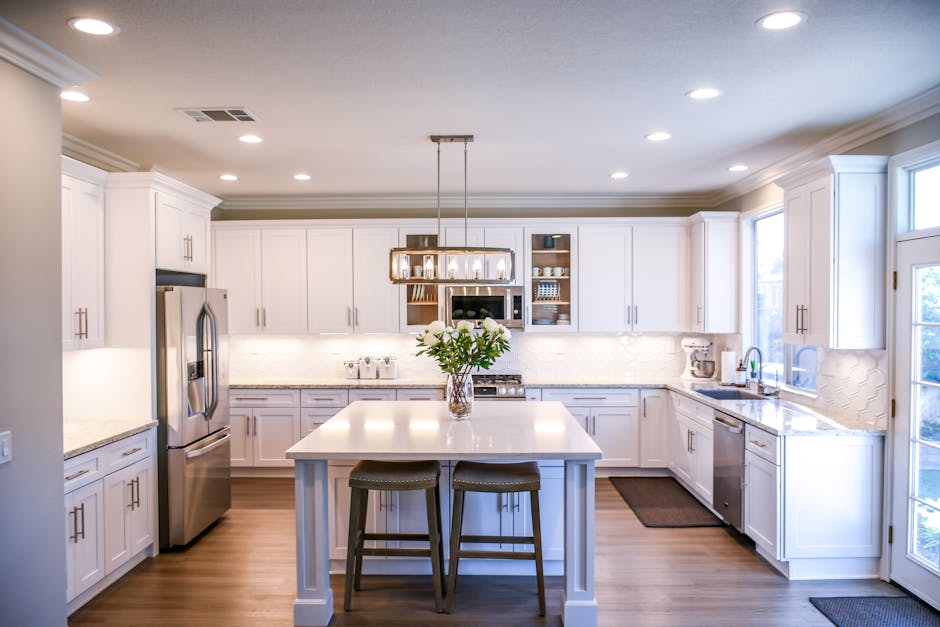
Refrigerators can be tricky. Built-in models are fixtures. Freestanding fridges are personal property. Ovens also vary. Built-in ovens usually stay with the home. Freestanding ovens might leave with the seller. Dishwashers are often built-in. Thus, they are fixtures. However, portable dishwashers are personal property.
Microwaves can be both. Over-the-range models are fixtures. Countertop microwaves are personal property. Understanding these differences aids in clear transactions. It prevents misunderstandings in home sales. Knowing appliance types helps in negotiations.

Credit: www.instagram.com
Legal Implications
Understanding the legal implications of whether kitchen appliances are considered fixtures or personal property is crucial for homeowners and potential buyers. This classification can significantly impact real estate transactions, leading to disputes if not clearly defined. In this section, we'll explore the consequences of these distinctions and how they affect you.
Impact On Real Estate Transactions
Imagine you're selling your home. You've upgraded your kitchen with a state-of-the-art refrigerator and stove. You assumed these appliances would stay with the house, but your buyer thinks otherwise. This misunderstanding can lead to costly disputes or delays.
In real estate, fixtures are typically included in the sale. Personal property is not. Knowing how your kitchen appliances are classified can save you from unexpected surprises. Clear communication in your sales agreement can prevent confusion. Make sure to specify what's included in the sale.
Think about the last time you moved into a new place. Were you disappointed to find the appliances missing? A detailed inventory list can protect your interests. This list should clearly state which items are fixtures and which are personal property.
Disputes And Resolutions
Disputes over kitchen appliances can arise when there's ambiguity in contracts. These disputes often lead to legal battles, which can be stressful and expensive. If both parties are clear from the start, you can avoid these complications.
Consider mediation as a resolution tool. It’s often cheaper and faster than going to court. An experienced mediator can help both parties reach a fair agreement. Have you ever had to compromise on a deal? Mediation might be the key to finding that middle ground.
Ensuring clarity in agreements can also prevent misunderstandings. Use simple language and specific terms. Instead of saying "all kitchen items," list each appliance individually. This detail can prevent disagreements later.
These legal implications might sound daunting, but they don't have to be. With clear communication and proper documentation, you can navigate these waters smoothly. Have you checked your home agreement recently? It might be time to review and ensure everything is in order.
Factors Influencing Classification
Understanding the classification of kitchen appliances is crucial for homeowners and buyers. The distinction between fixtures and personal property can affect sale agreements. Factors like installation method and ownership intention play key roles in this classification.
Installation Method
The way a kitchen appliance is installed can determine its classification. Built-in appliances, like ovens or dishwashers, are often considered fixtures. They are attached to the home in a permanent way. Freestanding appliances, such as refrigerators, can be seen as personal property. They are easily removed without altering the home.
Intention Of Ownership
The owner's intention can also influence classification. If an appliance is meant to stay with the home, it becomes a fixture. This is common in homes being sold with all appliances included. If the owner plans to take the appliance, it's viewed as personal property. This intention is often clarified in sale agreements.
Practical Considerations
Determining whether kitchen appliances are fixtures or personal property can be tricky. This distinction matters in real estate transactions. A fixture is a part of the property. Personal property is movable and not permanently attached. Understanding these differences helps in buying or selling a home.
Advice For Homeowners
Homeowners should know what counts as a fixture. Built-in appliances like ovens often count as fixtures. Freestanding appliances, such as refrigerators, are usually personal property. Clarify this in any sales agreement. It prevents disputes later.
Check your home's title and deed for details. They may list fixtures included in the property. This helps in making informed decisions.
Guidance For Buyers And Sellers
Buyers should ask which appliances stay with the property. Get this in writing. It ensures the appliance is included in the sale.
Sellers should clearly state which appliances are included. It avoids misunderstandings during negotiations. This transparency helps in smooth transactions.
Real estate agents can offer valuable guidance. They help ensure both parties understand the terms. This reduces the chances of future disputes.
Credit: www.har.com
Frequently Asked Questions
Are Kitchen Appliances Considered Fixtures?
Kitchen appliances are typically considered personal property, not fixtures. Fixtures are items permanently attached to property. Appliances like refrigerators and microwaves, which can be easily removed, are usually personal property unless specified otherwise in a sale or lease agreement.
Do Kitchen Appliances Affect Home Value?
Yes, kitchen appliances can impact home value. Modern, high-quality appliances can enhance a home's appeal and potentially increase its market value. Buyers often view updated appliances as a sign of a well-maintained property, making it more attractive in the real estate market.
Are Built-in Appliances Fixtures?
Built-in appliances are generally considered fixtures. This is because they are permanently attached to the kitchen structure. Examples include built-in ovens and dishwashers. These appliances usually remain with the property when sold, unlike freestanding appliances.
Can You Take Appliances When Moving?
Yes, you can take appliances when moving if they are personal property. Freestanding appliances like microwaves and refrigerators are personal property. However, it's crucial to clarify this in the sale agreement to avoid disputes with the buyer.
Conclusion
Deciding on kitchen appliances as fixtures or personal property matters. It affects home buying and selling. Fixtures stay with the home. Personal property goes with the seller. So, understand the difference. Check local laws and contracts. Talk to professionals if unsure.
Clear agreements save time and stress. Keep communication open. Know your rights. Be informed. This helps in avoiding disputes. Remember, knowledge is power in real estate. Make smart decisions. Protect your interests. Good luck with your property endeavors!