Are you dreaming of a kitchen that feels spacious and clutter-free? A minimalist kitchen might be just what you need.
Imagine stepping into a space where every item has its place, and each detail contributes to a calming atmosphere. Designing a minimalist kitchen isn't just about aesthetics; it's about creating a functional space that makes cooking and spending time there enjoyable and stress-free.
What if every time you walked into your kitchen, you felt a sense of peace and clarity? By carefully choosing your colors, materials, and layout, you can transform your kitchen into a serene haven. In this guide, you'll discover simple strategies to help you design a minimalist kitchen that reflects your personal style while enhancing your daily life. Ready to make your kitchen the heart of your home? Let's get started!
Understanding Minimalism In Kitchen Design
Minimalism in kitchen design is all about creating a space that is functional, uncluttered, and aesthetically pleasing. It focuses on the idea that less is more, emphasizing simplicity and efficiency. When you design a minimalist kitchen, you aim for a clean and organized environment where every element serves a purpose. Imagine walking into a kitchen that instantly calms your mind—everything is in its right place, and there's a sense of tranquility. This is the essence of minimalist kitchen design.
Principles Of Minimalist Design
To embrace minimalism in your kitchen, start by eliminating excess. Remove items you rarely use and keep only essential tools and appliances. This creates space and reduces visual clutter.
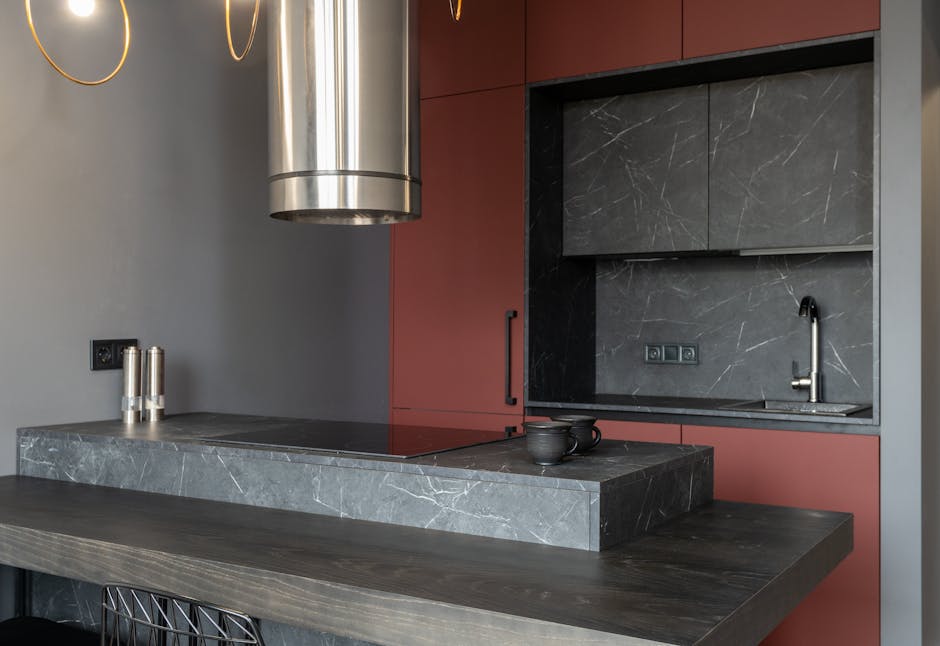
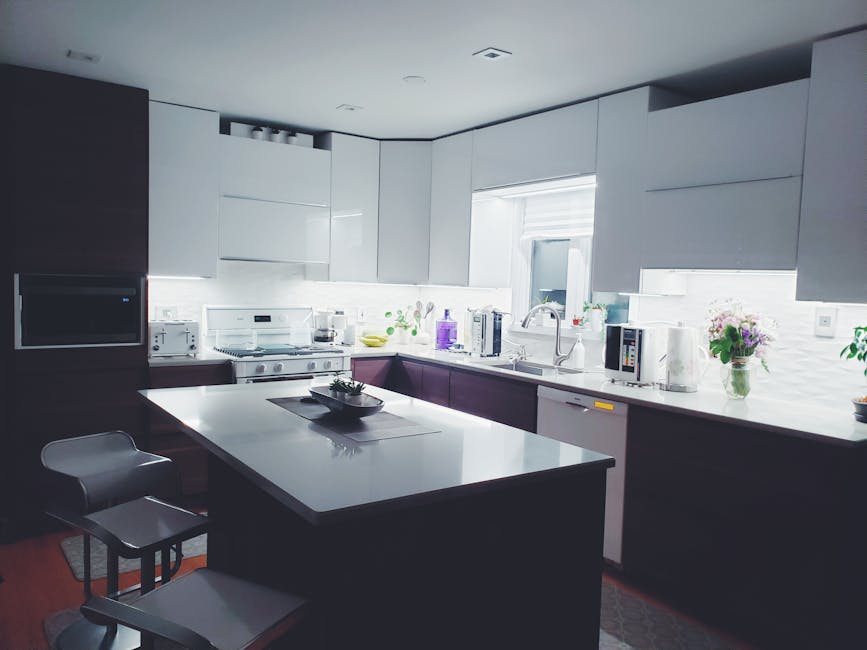
Choose neutral colors and simple materials. White, gray, and beige can make your kitchen feel open and airy. Opt for cabinets with clean lines and surfaces that are easy to maintain.
Maximize storage. Use smart storage solutions like pull-out shelves and hidden compartments. This ensures that everything has a place, keeping counters clear.
Benefits Of A Minimalist Kitchen
A minimalist kitchen reduces stress. With fewer items, you spend less time cleaning and organizing, freeing up time for what truly matters.
It's easier to cook. When your kitchen is uncluttered, you can focus on cooking without distractions, enhancing your culinary experience.
It boosts creativity. An open space encourages innovative thinking and allows you to experiment with new recipes and ideas.
Imagine the satisfaction of cooking in a space that feels like a breath of fresh air. How would your daily routine change if your kitchen was more organized and serene? The benefits of minimalist design are not just aesthetic—they improve your quality of life. Why not start today and see how it transforms your kitchen?

Credit: edwardgeorgelondon.com
Planning Your Space
Designing a minimalist kitchen starts with planning your space. This crucial step determines how you will use your kitchen efficiently and beautifully. A well-planned kitchen is not only aesthetically pleasing but also functional. It allows you to maximize every inch of your space.
Assessing Your Needs
Begin by assessing your needs. Consider how you use your kitchen daily. Do you cook often? Do you need space for appliances? Think about storage needs for food and utensils. This helps in deciding what elements are essential.
Make a list of must-haves. Include items like sink, stove, and refrigerator. Knowing your needs guides the design process.
Creating A Functional Layout
Creating a functional layout is vital. The layout determines the flow of your kitchen activities. A well-organized space saves time and effort.
Consider the work triangle. This connects the sink, stove, and refrigerator. It is a key concept in kitchen design. Ensure these elements are not too far apart.
Keep pathways clear. This prevents congestion and enhances movement. Think about where you will place storage. Cabinets and drawers should be easily accessible.
Plan for enough counter space. This is crucial for food preparation. Evaluate the lighting. A well-lit kitchen is both practical and inviting.
Choosing The Right Materials
Designing a minimalist kitchen starts with selecting the right materials. These choices impact aesthetics, functionality, and maintenance. A minimalist kitchen relies on simplicity and efficiency. Choose materials that enhance these qualities.
Selecting Durable Surfaces
Durable surfaces are essential in a minimalist kitchen. Consider materials like quartz and granite. These options offer longevity and a sleek look. They resist scratches and stains, making them practical. Stainless steel is another durable choice. It provides a modern, clean finish. Maintenance is simple, adding to its appeal.
Opting For Sleek Fixtures
Sleek fixtures complement minimalist design. Look for streamlined faucets and handles. Chrome and brushed nickel are popular choices. They offer a shiny, modern touch. Avoid ornate designs. Simplicity is key in a minimalist kitchen. Integrated appliances also contribute to a clean look. They blend seamlessly with cabinetry.
Color Palette Selection
Choosing the right colors is key to creating a minimalist kitchen. Soft whites, gentle grays, and natural tones offer a clean, airy feel. These shades also make the space appear larger and more inviting.
When designing a minimalist kitchen, the color palette is crucial. It sets the mood and influences how you feel in the space. A well-chosen palette can create harmony and simplicity, enhancing both functionality and style.
Neutral Colors For A Calm Atmosphere
Neutral colors are the backbone of a minimalist kitchen. They provide a serene backdrop that allows other elements to shine. Think whites, greys, and beiges. These colors make a space feel larger and more open. They also promote a sense of calm, which is essential in a busy kitchen. Consider using white for cabinets and walls. It offers a clean slate and reflects light beautifully, making your kitchen look bright and airy. Grey can be a perfect choice for countertops or flooring. It adds depth without overwhelming the senses. What neutral colors make you feel at peace? Experiment with different shades until you find the perfect balance.
Accent Colors For Personality
While neutrals set the stage, accent colors bring your kitchen to life. They add personality and can be used sparingly to maintain a minimalist aesthetic. A splash of color on a backsplash or a single wall can create a focal point. Choose colors that resonate with you. Perhaps a soft blue or a warm terracotta. Accessories like dishware, plants, or a statement light fixture are easy ways to introduce color. They can be swapped out whenever you crave a change. Do you have a favorite color that sparks joy? Use it strategically to enhance your kitchen’s character. Balancing neutral and accent colors is key. Too many accents can clutter the space, while too few can make it feel sterile. Finding that sweet spot will ensure your kitchen is both minimalist and uniquely yours.
Streamlined Storage Solutions
Streamlined storage solutions are key to achieving a minimalist kitchen. A clutter-free space enhances functionality and aesthetics. Smart storage can transform how you use your kitchen. Explore ideas that maximize space and keep your kitchen tidy.
Incorporating Hidden Storage
Hidden storage adds elegance to minimalist kitchens. Conceal items behind sleek cabinet doors. Use pull-out drawers for easy access. Integrate appliances into cabinetry for a seamless look. These solutions maintain a clean, open feel.
Install shelves in unused spaces. This creates room for less-used items. A toe-kick drawer below cabinets offers extra space. Hidden storage keeps countertops clear and organized.
Organizing Essentials Efficiently
Efficient organization ensures every item has a place. Use dividers in drawers to separate utensils. Stackable containers save space in pantries. Clear jars allow quick identification of contents.
Label shelves and containers for easy access. Keep frequently used items within reach. Store seasonal items in higher or lower cabinets. This method optimizes daily kitchen routines.
Appliance Integration
Appliance integration is key in a minimalist kitchen. It helps maintain a clean and organized space. Hidden appliances create a seamless look. This approach enhances both style and function. Focus on simplicity without sacrificing utility. Well-integrated appliances blend with the kitchen design. They add to the minimalist aesthetic.
Choosing Modern Appliances
Select sleek and efficient appliances for your minimalist kitchen. Choose designs with smooth lines and neutral colors. Stainless steel or matte finishes work well. Modern appliances often feature smart technology. They offer convenience and energy efficiency. Opt for built-in models to save space. Compact options are ideal for smaller kitchens.
Ensuring Seamless Integration
Plan the layout carefully to ensure appliance integration. Align appliances with cabinets for a cohesive look. Use panel-ready options to match cabinetry. This approach hides appliances from view. Consider under-counter models for a tidy appearance. Keep countertops clear by integrating appliances. Use storage solutions to maintain the minimalist style.
Lighting Considerations
Illuminate your minimalist kitchen with simple, bright lighting. Choose sleek fixtures for a modern touch. Use natural light to enhance spaciousness and create a welcoming atmosphere.
Designing a minimalist kitchen involves more than just decluttering countertops and opting for sleek cabinetry. Lighting plays a crucial role in achieving the clean, simple lines that define minimalist design. Proper lighting can transform a kitchen from a functional space into a calming oasis of simplicity and elegance. Let’s delve into the essential lighting considerations that will help you craft a minimalist kitchen that feels open and inviting.
Maximizing Natural Light
Natural light is a powerful tool in minimalist design. It creates an airy, spacious feel and highlights the simplicity of your kitchen’s features. Consider using sheer window treatments or none at all to allow maximum sunlight to flood the space. Reflective surfaces, like glossy countertops and stainless steel appliances, can enhance the natural light. They bounce light around the room, making it feel larger and brighter. Ask yourself if rearranging your kitchen layout could increase your exposure to natural light. If privacy is a concern, think about using frosted glass or strategically placed plants that allow light while maintaining a barrier. This way, you ensure your kitchen is both private and well-lit.
Choosing Minimalist Light Fixtures
Minimalist light fixtures should complement the simplicity of your kitchen design. Opt for fixtures with clean lines and understated elegance. Pendant lights with simple shapes or recessed lighting often work well in minimalist settings. Consider the material and color of the fixtures. Metals like brushed steel or matte black can add a modern touch without overpowering the space. Are your fixtures coherent with the overall color scheme of your kitchen? Think about the functionality of your lighting. Adjustable fixtures that can change direction or intensity offer flexibility. You can focus light on specific areas or create different moods, enhancing both the functionality and aesthetic of your kitchen. By carefully considering these lighting elements, you can ensure your minimalist kitchen is not only beautiful but also functional and welcoming. What lighting changes can you make today to brighten up your kitchen space?
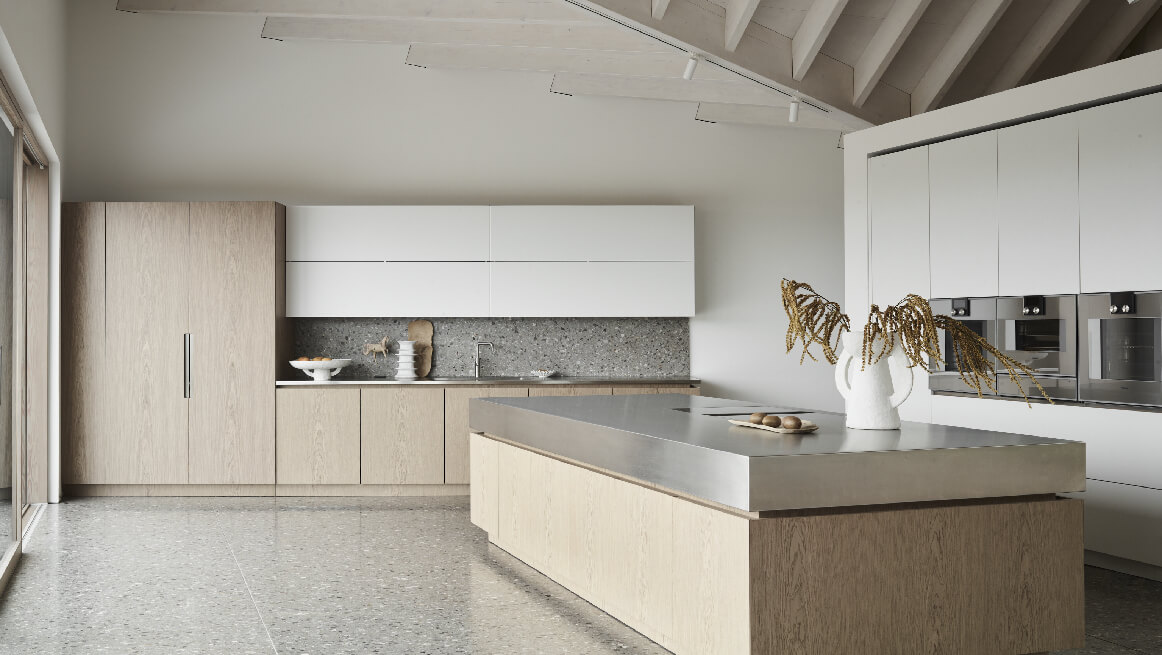
Credit: roundhousedesign.com
Final Touches
Adding the final touches to a minimalist kitchen involves selecting clean lines and neutral colors. Use sleek hardware and simple decor to enhance functionality and maintain an uncluttered look.
The final touches in designing a minimalist kitchen are all about bringing everything together to create a cohesive and inviting space. You've chosen sleek countertops, neutral colors, and functional furniture, but now it's time to add those subtle details that make the kitchen uniquely yours. These finishing elements can transform your kitchen from a basic setup to a stylish haven you'll love.
Minimalist Decor Ideas
In a minimalist kitchen, less is truly more. Consider adding a simple piece of art that complements your color scheme. A small, framed print can add character without overwhelming the space. Use practical yet stylish items, like a sleek coffee maker or a set of elegant spice jars, as both decor and utility. These items enhance the aesthetic while serving a purpose. Lighting is also crucial. Opt for a pendant light with a clean design or under-cabinet lighting to keep the kitchen bright and welcoming.
Maintaining A Clutter-free Environment
A minimalist kitchen thrives on order. Keep your countertops clear by storing everyday items in cabinets or drawers. This not only maintains the aesthetic but also makes cleaning a breeze. Develop a routine for decluttering. Spend five minutes each day putting things back in their place. This simple habit prevents clutter from accumulating. Ask yourself if each item you add truly serves a purpose or brings you joy. If not, it might be time to let it go. This approach helps you maintain a space that's both functional and beautiful. Remember, the final touches of your minimalist kitchen should reflect your personal style while promoting simplicity and efficiency. What small changes can you make today to enhance your kitchen's minimalist design?
:max_bytes(150000):strip_icc()/SPR-minimalist-kitchens-4767227-hero-b310f24f51a64a08941eba796a483086.jpg)
Credit: www.thespruce.com
Frequently Asked Questions
What Is A Minimalist Kitchen Design?
A minimalist kitchen design emphasizes simplicity and functionality. It focuses on clean lines, clutter-free spaces, and neutral colors. By using sleek cabinetry and efficient storage solutions, it creates a calming and spacious environment. This approach not only enhances aesthetics but also promotes ease of use and maintenance.
How To Choose Colors For A Minimalist Kitchen?
Opt for neutral colors like white, beige, or gray. These colors create a clean and timeless look. They also help in reflecting light, making the space feel larger. You can add a splash of color with small decor items or plants to maintain a minimalist yet vibrant feel.
What Are Essential Elements Of A Minimalist Kitchen?
Essential elements include simple cabinetry, open shelving, and efficient storage solutions. Use high-quality materials like wood or stainless steel for durability and aesthetics. Keep countertops clear and opt for built-in appliances to save space. These elements enhance the minimalist appeal and ensure functionality.
How To Maximize Storage In A Minimalist Kitchen?
Utilize vertical space with tall cabinets and open shelving. Use drawer organizers and pull-out racks to keep items accessible. Incorporate multifunctional furniture like an island with storage. This approach helps maintain a clutter-free environment, essential for minimalist design.
Conclusion
Creating a minimalist kitchen can transform your cooking space. Focus on simple designs. Choose quality over quantity in kitchen items. Keep surfaces clear and clutter-free. Use neutral colors for a calming effect. Good lighting enhances the minimalist style. Organize everything for easy access.
Invest in multi-functional appliances. This saves space and adds convenience. A minimalist kitchen promotes peace and efficiency. It's a space where functionality meets elegance. Enjoy your new, simplified kitchen. Cooking in it can be a joy. Embrace the minimalist lifestyle and feel the difference.
Your kitchen becomes a serene haven.