
Are you dreaming of a kitchen that’s not just for cooking but also doubles as a creative workshop? Designing a workshop kitchen is more than just a trend; it’s a practical solution for those who love to experiment, create, and conquer culinary challenges.
Imagine a space where every tool is within reach, every ingredient is organized, and every meal is an opportunity to innovate. This guide will walk you through the steps to transform your kitchen into a functional workshop, tailored to your specific needs.
Whether you're an aspiring chef or just love a well-organized space, this guide is for you. Get ready to discover how to blend functionality with creativity, and turn your kitchen into the ultimate workspace. Dive in to find out how you can make your dream workshop kitchen a reality.
Planning Your Space
Designing a workshop kitchen involves organizing tools and appliances efficiently. Create zones for cooking, cleaning, and storage. Ensure easy access to frequently used items, and consider safety and lighting for a functional space.
Designing a workshop kitchen is like crafting the heart of your culinary creativity. It's where ideas simmer and flavors blend, so planning your space effectively is crucial. With careful thought and consideration, your kitchen can be both functional and inspiring. Whether you're a professional chef or a passionate home cook, understanding the essentials of planning can transform your cooking experience. Dive into assessing your needs, choosing the right layout, and considering workflow efficiency to create a space that truly works for you.
Assessing Your Needs
Begin by considering what you need most in your kitchen. Do you often cook for large groups or are you more into quick meals? Tailor your space to match your cooking habits. Think about the appliances you use frequently. A baker may prioritize a spacious oven, while a smoothie enthusiast might need ample counter space for a blender. Make a list of must-have features. This helps you focus on essentials and avoid clutter. Your kitchen should cater to your unique culinary style.
Choosing The Right Layout
Selecting the right layout is vital for maximizing space efficiency. Do you prefer an open-plan kitchen, or is a more traditional setup your style? Each layout has its advantages. Consider the classic triangle layout: stove, sink, and fridge in close proximity. This design enhances accessibility and speeds up cooking processes. Explore the possibility of an island counter. It can serve as additional workspace and a social hub. A well-placed island can transform the dynamics of your kitchen.
Considering Workflow Efficiency
Efficient workflow is the backbone of a productive kitchen. How do you move around when cooking? Streamlining your movements can save time and effort. Organize your kitchen tools within easy reach. Store utensils near the stove and keep pots and pans close to the cooking area. This minimizes unnecessary steps. Evaluate storage solutions. Opt for pull-out drawers instead of cabinets to access items quickly. Clever storage can greatly enhance your kitchen’s functionality. How do you envision your dream workshop kitchen? Think about what brings you joy and efficiency in cooking. By planning your space thoughtfully, you can create a kitchen that inspires creativity and serves your needs perfectly.

Credit: alcovestudio.in
Selecting Essential Equipment
Choosing the right equipment is key to designing a workshop kitchen. Focus on durable, multi-functional tools that fit your cooking needs. Ensure efficient layout to maximize space and workflow.
Designing a workshop kitchen requires careful planning, especially when it comes to selecting essential equipment. This step is crucial for the functionality and efficiency of your space. It's not just about picking the right tools but ensuring they fit into your workflow seamlessly. Whether you're a professional chef or an enthusiastic home cook, having the right equipment can make all the difference in your culinary adventures.
Understanding Key Tools
Before you start shopping, consider what tools are truly essential for your workshop kitchen. Think about your cooking habits. Do you bake more than you fry? Do you prefer grilling over roasting? Each cooking style requires specific equipment. Mixing bowls, measuring cups, and knives are universal basics. But if you love baking, a stand mixer might be more important than a grill. Reflect on what tools you reach for the most. A personal experience: once, I spent months without a proper chef's knife, struggling with lesser substitutes. Investing in a quality knife transformed my cooking experience. What tool could transform yours?
Evaluating Quality And Durability
Quality should never be compromised. Durable equipment lasts longer and performs better, saving you money in the long run. Look for stainless steel or cast iron materials. These stand the test of time and withstand heavy use. Check for warranties and read reviews from other users. Think about how often you cook. Frequent cooks should prioritize durability to avoid constant replacements. Imagine the frustration of a broken blender mid-recipe. Invest wisely to avoid these kitchen disasters.
Space-saving Solutions
Limited kitchen space is a common issue. But clever storage solutions can help you maximize every inch. Look for stackable or multipurpose tools. Collapsible measuring cups or a cutting board with built-in storage can free up space. Consider the layout of your kitchen. Is there unused wall space for hanging pots? Can you fit a rolling cart under the counter? These small adjustments can significantly increase your workspace efficiency. Designing your workshop kitchen is not just about buying equipment. It's about creating a space where you love to cook and feel inspired. What equipment can you add today to make your cooking journey more enjoyable?
Optimizing Storage Solutions
Designing a workshop kitchen involves creating efficient storage solutions. An organized kitchen boosts productivity and ensures a seamless workflow. Smart storage solutions keep tools and materials within easy reach.
Utilizing Vertical Space
Vertical space is often underutilized in kitchens. Tall shelves and cabinets maximize this space. Use hooks and racks on walls for hanging utensils. Consider overhead storage for lesser-used items. Ladder systems can help access high places safely.
Incorporating Modular Storage
Modular storage offers flexibility and customization. Adjustable shelves fit different items. Stackable bins provide easy access and organization. Movable carts allow for dynamic workspace changes. Modular solutions adapt to your changing needs.
Organizing For Accessibility
Accessibility is key in a workshop kitchen. Keep frequently used items at arm's reach. Use clear containers to identify contents quickly. Label shelves and bins for easy navigation. Place heavier items at waist level to avoid strain.
Designing For Safety
When designing a workshop kitchen, safety should be a top priority. Your kitchen is a hub of activity where tools, machines, and culinary creations come together. Ensuring it's safe not only protects you but also enhances productivity. Let's dive into key aspects that make your workshop kitchen a safe space.
Implementing Safety Features
Think about the tools and equipment you'll use frequently. Install safety guards and emergency stops on machinery. Add clear signage to remind you of safety procedures. Use bright lighting to prevent accidents caused by poor visibility.
Your workbench should be sturdy and well-lit. Consider adding a first aid kit nearby, so you're prepared for minor injuries. Equip the kitchen with fire extinguishers and ensure they are easily accessible.
Have you considered the layout? Arranging tools within easy reach minimizes the risk of accidents. This proactive approach keeps you safe and efficient.
Choosing Non-slip Flooring
Kitchen floors can become slippery quickly. Choose flooring with a textured surface that prevents slips. Consider rubberized mats for areas prone to spills.
Tiles can be a good option, but ensure they're specifically designed for kitchens. Have you thought about how often you clean? Regular cleaning prevents buildup and maintains slip resistance.
Isn't it comforting knowing your kitchen floor won't be your downfall? Prioritize safety over aesthetics for peace of mind.
Ensuring Proper Ventilation
Cooking and working with machinery generate heat and fumes. Proper ventilation is key to maintaining air quality. Install a hood or exhaust fan to remove smoke and odors.
Consider windows that open easily to let in fresh air. If your kitchen lacks natural ventilation, explore mechanical options. Your health and comfort rely on breathing clean air.
Have you noticed how clean air can boost your mood and energy levels? Proper ventilation is not just a safety feature; it's an investment in your well-being.
Remember, designing a workshop kitchen is not just about functionality. Safety features are essential to keep you and your creations thriving. How will you ensure your kitchen is the safest place to work?
Incorporating Style And Functionality
Crafting a workshop kitchen requires blending style with functionality. Focus on durable materials and smart layouts to enhance efficiency. Opt for practical storage solutions and easy-to-clean surfaces for a seamless cooking experience.
Designing a workshop kitchen that seamlessly merges style and functionality can be a rewarding endeavor. It's about crafting a space that not only meets your practical needs but also reflects your personal taste. Whether you're a budding chef or someone who loves hosting dinner parties, your kitchen should feel both inviting and efficient.
Balancing Aesthetics And Utility
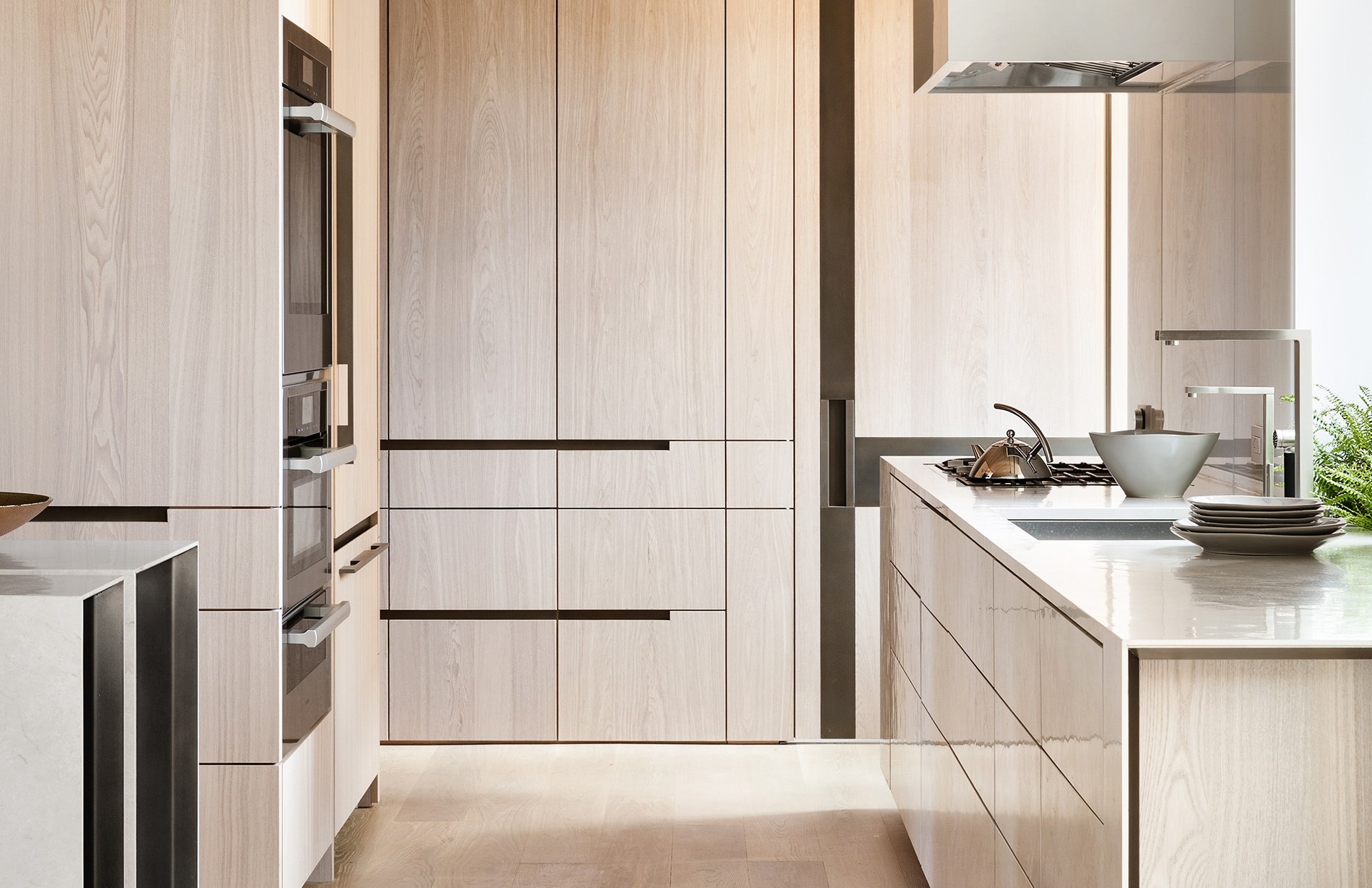
Creating a kitchen that looks good and works well is all about balance. Consider what you use most often and ensure those items are within easy reach. Open shelving can showcase your beautiful dishes while keeping them accessible. Think about your workflow. Do you often find yourself moving between the stove, sink, and fridge? Arrange these key areas in a triangular setup to minimize steps and maximize efficiency. This layout not only improves function but also creates a visually pleasing flow.
Choosing Color Schemes
Colors can dramatically affect the mood of your kitchen. Soft, neutral tones can make the space feel calm and expansive, while bold hues add energy and personality. Consider how natural light interacts with your chosen palette. Bright colors may feel overwhelming in a sun-drenched room, while darker shades can add warmth and coziness to a space with less light. Experiment with accent colors. A splash of vibrant color on a backsplash or an island can add interest without overwhelming the design. Ask yourself, does this color make you feel happy and inspired?
Integrating Personal Touches
Your kitchen should reflect who you are. Do you have a collection of vintage cookware or a set of family heirloom dishes? Display them proudly to add character and warmth. Consider adding unique hardware or lighting fixtures that speak to your style. These small details can transform a standard kitchen into a personalized sanctuary. Think about your lifestyle. If you love gardening, perhaps a small herb garden on the windowsill would be a perfect fit. What elements can you add that will make you smile every time you enter the room? Designing your workshop kitchen is about more than just aesthetics or function—it's about creating a space that feels uniquely yours. What will you do today to make your kitchen a reflection of your life and style?

Credit: thirtybyforty.com
Budgeting And Cost Management
Crafting a workshop kitchen involves smart budgeting and effective cost management. Start by listing essential tools and equipment needed. Prioritize quality materials that offer durability without breaking the bank. Efficiently allocate funds to balance between functionality and aesthetic appeal, ensuring a practical yet inviting space.
Designing a workshop kitchen is an exciting project. Yet, keeping costs under control is vital. Thoughtful budgeting helps avoid overspending. It ensures you get the best value. Cost management is key to a successful design. It involves smart decisions about where to save and where to invest. This section focuses on effective cost management strategies.
Prioritizing Key Investments
Identify areas where quality matters most. Durable appliances and sturdy countertops are crucial. These elements endure daily wear and tear. Investing here saves money in the long run. A reliable oven or a robust fridge can last years. Focus on items that enhance efficiency. Good lighting and ventilation are often overlooked. They improve the workspace and safety.
Exploring Cost-effective Options
Not everything in a workshop kitchen needs a high price tag. Consider affordable materials for cabinets and shelves. Laminate or recycled wood can be both stylish and cheap. Look for sales or discounts on appliances. Sometimes, slightly older models offer great savings. Compare prices from different suppliers. This ensures you find the best deals.
Planning For Long-term Maintenance
Think about future upkeep costs. Low-maintenance materials can reduce expenses over time. Stainless steel is easy to clean and durable. Regular cleaning prevents wear and extends the life of items. Plan for small repairs and replacements. Set aside a part of the budget for unforeseen issues. Proactive maintenance keeps the kitchen functional and efficient.
Adapting To Future Needs
Designing a workshop kitchen for future needs demands flexibility and efficiency. Focus on adaptable layouts and multipurpose stations. Choose durable materials and smart storage solutions to optimize space and functionality.
Designing a workshop kitchen that adapts to future needs is not just a smart choice; it's a necessity. Whether you're a budding home cook or a professional chef, your kitchen should be ready to evolve with your culinary journey. By planning with foresight, you ensure that your space remains functional and relevant, no matter what the future holds.
Planning For Expansion
Think about the growth of your culinary ambitions. Will you need more counter space for new appliances or additional storage for expanding cookware collections? Consider extending your work surfaces or adding modular shelving systems. These can easily be adjusted or expanded as your needs change. What about seating? If you envision hosting more cooking classes or family gatherings, plan for flexible seating options that can be increased or rearranged without hassle.
Incorporating Technology
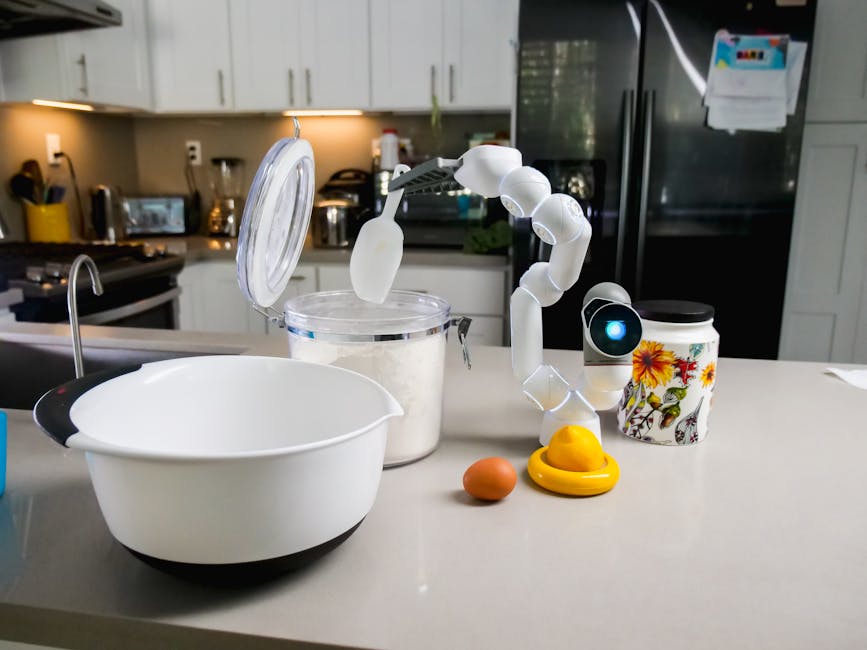
Technology in kitchens is not just a trend; it's becoming a staple. Smart appliances can make your kitchen more efficient and enjoyable. Imagine having an oven that preheats while you're on your way home or a fridge that alerts you when you're low on ingredients. These are not just futuristic fantasies but practical solutions available today. Stay open to updates and new tech that can save you time and enhance your cooking experience. Your kitchen should be as smart as your phone.
Staying Updated With Trends
Trends in kitchen design and functionality are continually evolving. Keep an eye on developments in sustainable materials and energy-efficient appliances. Join online forums or attend workshops to stay informed. This can offer fresh insights and inspire you to tweak your kitchen layout for better efficiency. Remember, a trendy kitchen doesn't mean constant remodeling. Sometimes, subtle updates like a new backsplash or lighting can keep your kitchen looking contemporary and inviting. Adapting your workshop kitchen to future needs is about being proactive and prepared. What changes are you planning to ensure your kitchen remains a vibrant and functional hub for years to come?
Credit: www.workshopapd.com
Frequently Asked Questions
What Is A Work Shop Kitchen?
A work shop kitchen is a space designed for culinary creativity and efficiency. It combines functionality with industrial aesthetics, often featuring open shelving, sturdy countertops, and ample storage. This setup is ideal for both professional chefs and home cooks seeking a practical yet stylish cooking environment.
How Do I Plan A Work Shop Kitchen Layout?
Start by assessing your space and identifying your needs. Prioritize workflow by placing essential zones—prep, cooking, and cleaning—within easy reach. Consider the work triangle principle for optimal efficiency. Use durable materials and incorporate plenty of storage options to keep your kitchen organized and functional.
What Materials Suit A Work Shop Kitchen?
Choose materials that are durable, easy to clean, and stylish. Stainless steel countertops are popular for their industrial look and resilience. Wood and concrete are also great choices for adding warmth and texture. Ensure all materials are resistant to stains and heat for long-lasting use.
How Can I Maximize Storage In A Work Shop Kitchen?
Maximize storage by utilizing vertical space with open shelving and overhead racks. Incorporate multi-functional furniture like islands with built-in drawers. Opt for pull-out cabinets and organizers to keep essentials accessible. Custom solutions tailored to your specific needs can further optimize storage efficiency.
Conclusion
Creating the perfect workshop kitchen involves thoughtful planning. Start with a clear layout for easy movement. Choose durable materials for countertops and cabinets. Good lighting enhances visibility and mood. Install energy-efficient appliances to save on bills. Opt for storage solutions to keep tools organized.
Consider safety features for a secure space. Personal touches make the kitchen inviting. A well-designed workshop kitchen boosts creativity and productivity. You can enjoy cooking and crafting without hassle. So, plan wisely and watch your ideas come to life in a functional kitchen.