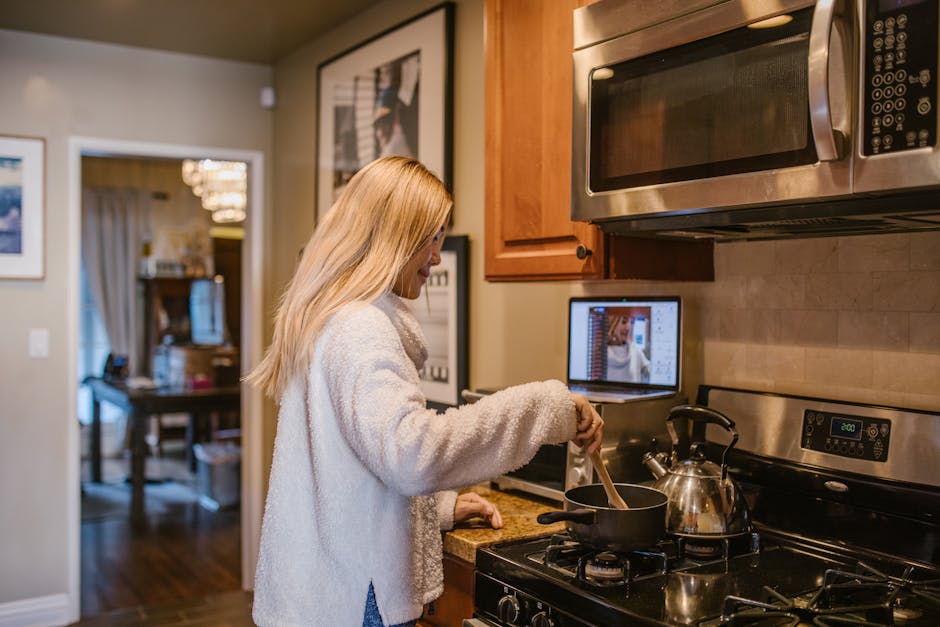
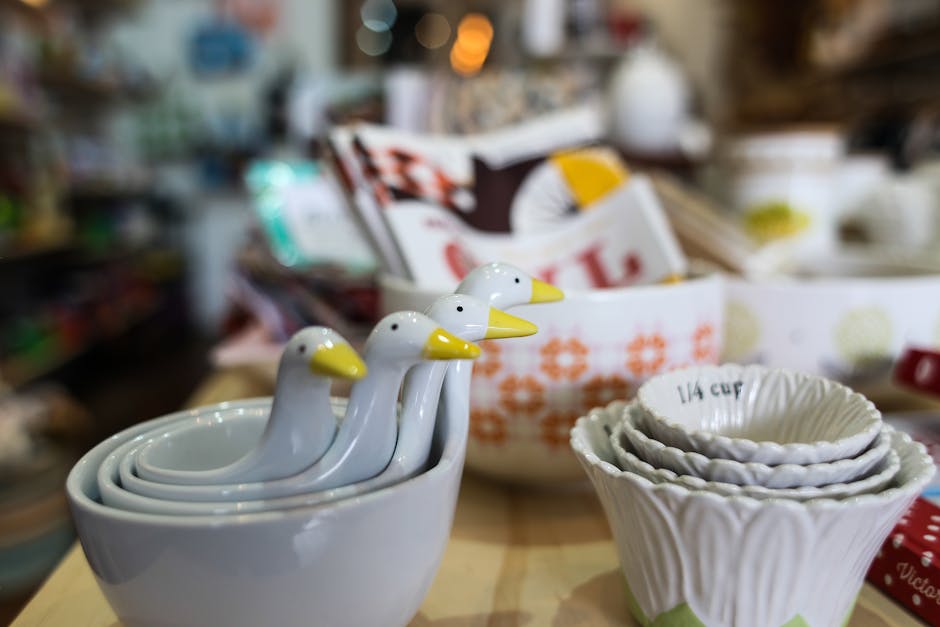
Are you tired of scrubbing stubborn food residues off your pots and pans? Imagine a kitchen where cooking is not just easier but more enjoyable.
Ceramic cookware promises exactly that, offering a sleek and non-stick solution to your culinary challenges. But, like any kitchen tool, it has its own set of perks and pitfalls. Are ceramic cookware really good for your daily cooking needs? This is the question we’ll explore, helping you make informed decisions for your kitchen.
Stick around as we dive into the world of ceramic cookware, revealing the secrets behind its growing popularity and whether it truly lives up to the hype. Your cooking experience might just change for the better!
Benefits Of Ceramic Cookware
Ceramic cookware has gained popularity for its numerous benefits. It offers a healthier cooking experience and ease of use. Discover why many home cooks are choosing ceramic cookware.
Non-toxic Materials
Ceramic cookware is free from harmful chemicals. It does not contain PTFE or PFOA, ensuring safe cooking. You can cook without worrying about toxic fumes. This makes it ideal for health-conscious families.
Even Heat Distribution
Ceramic cookware heats evenly, preventing hot spots. This ensures your food cooks uniformly. You get perfectly cooked meals every time. It enhances the flavor and texture of your dishes.
Ease Of Cleaning
Ceramic cookware has a smooth surface. Food doesn't stick easily, making cleaning simple. You can wipe it clean without scrubbing. This saves time and effort in the kitchen.
Drawbacks Of Ceramic Cookware
While ceramic cookware offers many benefits like non-stick surfaces and aesthetic appeal, it’s essential to understand some of the drawbacks you might face. These issues can affect your cooking experience and the longevity of your cookware. Let's explore some common concerns with ceramic cookware.
Durability Concerns
Ceramic cookware can be fragile compared to other materials like stainless steel or cast iron. If you’ve ever accidentally dropped a ceramic pot, you know it can crack or shatter easily. This can be frustrating, especially if you're investing in higher-quality pieces.
Even regular use can lead to wear and tear. Over time, the ceramic coating may start to fade or chip. This reduces the effectiveness of its non-stick properties, and you might find yourself using more oil or butter to prevent food from sticking.
Consider how frequently you cook and your kitchen habits. If you’re prone to hurried cooking sessions, ceramic might not be the best choice for everyday use.
Heat Retention Issues
Ceramic cookware has a tendency to heat unevenly. You might notice that your food is cooking faster in some spots while remaining raw in others. This can be annoying when you're aiming for a perfectly cooked meal.
Unlike cast iron, ceramic doesn’t retain heat as well. If you’re preparing dishes that require consistent heat, like stews or sauces, ceramic might not deliver the results you expect.
Think about the types of dishes you cook most often. If precise temperature control is key, you might need to adjust your cooking techniques or opt for different cookware.
Potential For Chipping
The ceramic coating is not immune to chipping. Everyday utensils like metal spatulas can cause damage. If you’ve ever heard that dreaded scrape sound, you know how easy it is to chip the surface.
Chipping not only affects the appearance but can also expose the underlying material. This can lead to food sticking and potentially affect the taste of your dishes.
To minimize chipping, consider using silicone or wooden utensils. These are gentler on the ceramic surface and help maintain its integrity longer.
So, is ceramic cookware right for you? Weigh these drawbacks against the benefits to make an informed decision. What’s your experience with ceramic cookware? Do these concerns resonate with your kitchen adventures?
Comparing Ceramic With Other Cookware Types
Ceramic cookware has gained popularity for its non-toxic surface and stylish design. With so many options available, it's essential to know how ceramic compares to other cookware types. Each material offers unique benefits and challenges. Understanding these can help in making the right choice for your kitchen.
Ceramic Vs. Non-stick
Non-stick cookware often uses a Teflon coating. This coating can release harmful chemicals at high temperatures. Ceramic cookware, on the other hand, is free from such chemicals. It provides a non-stick surface without health concerns. Cleaning ceramic is also easy. Food doesn't stick as much, making scrubbing minimal.
Ceramic Vs. Stainless Steel
Stainless steel cookware is durable and resistant to rust. It can handle high heat but requires oil to prevent sticking. Ceramic cookware heats evenly and needs less oil. This makes it a healthier option. Stainless steel can be heavy and hard to handle. Ceramic, being lighter, offers ease of use.
Ceramic Vs. Cast Iron
Cast iron is known for its durability and heat retention. It’s great for slow cooking. But it requires seasoning to maintain its surface. Ceramic cookware doesn't need seasoning and is less prone to rust. Cast iron can be heavy and difficult to maneuver. Ceramic provides a lighter alternative with similar cooking benefits.

Credit: www.carawayhome.com
Factors To Consider When Choosing Ceramic Cookware
Ceramic cookware offers non-stick surfaces, making cooking and cleaning easier. Consider heat distribution, durability, and safety. Ensure the cookware is free from harmful chemicals.
Choosing the right ceramic cookware can transform your cooking experience. It’s not just about picking a pot or a pan; it’s about aligning it with your lifestyle and kitchen needs. Before you make a decision, consider some important factors that will ensure you get the best value and performance from your ceramic cookware.
Budget Considerations
Budget is often the first thing to think about when purchasing ceramic cookware. These pieces range from affordable to quite expensive. If you're a casual cook, you might opt for a mid-range set that balances cost and quality. However, if cooking is your passion, investing in a higher-end brand could pay off in the long run. High-quality ceramic cookware often provides better heat distribution and durability. Ask yourself, how much are you willing to invest in your cooking tools?
Cooking Style And Needs
Your cooking habits heavily influence the type of ceramic cookware you should choose. Do you frequently cook large meals for your family or enjoy experimenting with new recipes? If so, a versatile set with various sizes might suit you best. Alternatively, if you often prepare small, quick meals, a few essential pieces may be enough. Think about the types of dishes you prepare most often. Would a ceramic skillet enhance your morning omelets or a deep pot help with your favorite stews?
Maintenance Requirements
Ceramic cookware is known for its easy-to-clean surface, but there are still maintenance factors to consider. Some ceramic cookware is dishwasher-safe, while others require hand washing to maintain their finish. Consider how much time you are willing to spend on upkeep. Are you ready to occasionally re-season your pans to keep them in top condition? Understanding the maintenance needs can help you decide if ceramic cookware fits your lifestyle. In choosing the right ceramic cookware, balance your budget, cooking style, and maintenance preferences. Make a choice that complements your kitchen, enhances your culinary creations, and makes cooking a joy. What do you value most in your kitchen tools?
Tips For Using Ceramic Cookware
Ceramic cookware offers a healthy cooking option due to its non-stick surface, reducing the need for oils. It distributes heat evenly, ensuring well-cooked meals. Proper care, like avoiding metal utensils, extends its lifespan.
Ceramic cookware has gained popularity for its non-stick properties and eco-friendly appeal. However, to get the most out of your ceramic pots and pans, it's important to know how to care for them properly. These tips will help you maintain the quality and longevity of your ceramic cookware, ensuring you enjoy cooking with them for years to come.
Proper Care And Cleaning
Taking care of your ceramic cookware is simpler than you might think. Use mild dish soap and a soft sponge to clean your pots and pans after each use. Harsh abrasives can damage the non-stick coating, so avoid steel wool and other rough scrubbers. Stubborn food residues can be a headache, but soaking the cookware in warm soapy water can make cleaning easier. If you face persistent stains, a mixture of baking soda and water can be a gentle yet effective solution. Remember, gentle cleaning keeps your ceramic cookware in good condition.
Avoiding High Heat
Ceramic cookware works best on medium to low heat. High temperatures can cause the coating to degrade over time, leading to the loss of its non-stick properties. Cooking on a lower heat will also help preserve the vibrant color and finish of your pans. Have you ever noticed food sticking despite the non-stick label? High heat might be the culprit. Always preheat your pan on low and gradually increase the temperature as needed for the best results.
Storage Recommendations
Storing ceramic cookware properly prevents scratches and prolongs its life. Stack pans with a soft cloth or paper towel between them to avoid surface damage. If you have limited space, consider hanging them up where they won’t knock against each other. Think about the last time you pulled out a pan only to find it scratched. Preventing such damage is as simple as a little extra care during storage. This ensures your cookware looks as good as it cooks. These insights might seem straightforward, but they can make a significant difference in the performance and lifespan of your ceramic cookware. How do you ensure your cookware stays in tip-top shape? Let us know your thoughts!

Credit: fromourplace.co.uk
Popular Ceramic Cookware Brands
Ceramic cookware has gained popularity for its non-stick and eco-friendly properties. Many brands offer high-quality ceramic cookware that meets various cooking needs. Each brand has unique features and benefits. Let's explore some popular ceramic cookware brands that stand out in the market.
Greenpan
GreenPan is known for its innovative Thermolon non-stick coating. This coating is free from harmful chemicals like PFAS and PFOA. GreenPan offers a range of cookware for different cooking styles. Their products are durable and easy to clean. Many users appreciate the even heat distribution.
Xtrema
Xtrema cookware is fully ceramic, offering a unique cooking experience. It is free from metals and chemicals, ensuring safe cooking. Xtrema pots and pans can withstand extreme temperatures. They are versatile and can be used on stovetops and in ovens. Users love the vibrant colors and sleek design.
Cuisinart
Cuisinart provides a blend of quality and affordability in ceramic cookware. Their cookware features a non-stick ceramic interior for easy cooking. Cuisinart pans heat quickly and evenly. They are ideal for everyday cooking needs. The brand offers various sizes and styles to suit different kitchens.
Consumer Reviews And Experiences
Many users appreciate ceramic cookware for its non-stick surface and ease of cleaning. Some express concerns about durability and scratching. Overall, experiences vary, but many find it a good option for everyday cooking.
Consumer reviews and experiences with ceramic cookware can be a treasure trove of insights for anyone looking to invest in these kitchen essentials. People from all walks of life share their opinions, offering valuable perspectives on performance, durability, and value for money. Let's explore what users have to say about ceramic cookware, focusing on their real-life experiences and practical advice.
What Users Love About Ceramic Cookware
Many users rave about the non-stick properties of ceramic cookware. Cooking eggs or pancakes becomes a breeze, with minimal oil required. This not only makes for healthier meals but also simplifies the cleaning process. Users also appreciate the aesthetic appeal. Ceramic pots and pans often come in vibrant colors and sleek designs, adding a touch of style to the kitchen. Some even mention receiving compliments from guests during dinner parties.
Durability: A Mixed Bag
While some users find ceramic cookware to be long-lasting, others report issues with chipping and scratching over time. The key seems to be in the care taken during use and cleaning. Using wooden or silicone utensils can extend the life of your cookware. In one user's story, they mention how a small investment in quality ceramic cookware transformed their cooking experience. They highlight the importance of following care instructions for longevity.
Heat Distribution And Cooking Performance
Ceramic cookware generally receives high marks for even heat distribution. This feature helps in cooking food uniformly, reducing the chances of burnt edges and raw centers. However, some users note that ceramic cookware might not heat as quickly as stainless steel or aluminum. If time is of the essence in your kitchen, this could be a factor to consider.
Is Ceramic Cookware Worth The Cost?
Price can be a point of contention among consumers. While some believe the benefits justify the cost, others feel it's a bit steep compared to other options. One user shared their experience of switching from a cheaper set to ceramic cookware and noticed a significant improvement in their cooking. They felt the investment was worthwhile for the health benefits and ease of use.
Practical Tips From Real Users
Several users advise against using high heat with ceramic cookware to preserve its non-stick surface. Instead, start on medium heat and adjust as needed. A few reviews suggest hand washing instead of using a dishwasher. This simple change can help maintain the cookware's integrity and extend its lifespan. Are you considering ceramic cookware for your kitchen? Evaluating user experiences can guide you toward a choice that suits your cooking style and needs. What features matter most to you in cookware?

Credit: www.goodhousekeeping.com
Frequently Asked Questions
What Are The Benefits Of Ceramic Cookware?
Ceramic cookware offers non-stick properties, making cooking and cleaning easier. It's free from harmful chemicals like PFOA and PTFE. Ceramic distributes heat evenly, ensuring well-cooked meals. It's also versatile, suitable for stovetop and oven use. Plus, ceramic cookware is often aesthetically pleasing, adding style to your kitchen.
Is Ceramic Cookware Safe For Health?
Yes, ceramic cookware is generally considered safe for health. It doesn't release harmful toxins during cooking. Ceramic is free from synthetic coatings found in other cookware. It's made from natural materials, reducing exposure to chemicals. Proper use ensures safety, making it a healthy choice for cooking.
How Durable Is Ceramic Cookware?
Ceramic cookware is durable but requires careful handling. It withstands high temperatures and resists scratches. However, it's prone to chipping if dropped. Use wooden or silicone utensils to prolong its lifespan. Proper care, such as avoiding metal utensils, ensures long-lasting performance and maintains its non-stick properties.
Can Ceramic Cookware Be Used On All Stovetops?
Most ceramic cookware is suitable for various stovetops, including gas, electric, and glass. However, check compatibility with induction cooktops. Some ceramic cookware has a metal base for induction use. Always refer to the manufacturer's guidelines to ensure safe and efficient use on your specific stovetop.
Conclusion
Ceramic cookware offers many benefits for everyday cooking. It's non-stick, which makes cleaning easy. Health-conscious cooks love its toxin-free surface. It heats evenly, so food cooks well. But, it can be fragile. Requires careful handling to avoid chips. Choose well-made brands for durability.
Overall, ceramic cookware suits many kitchens. It combines function with safety. Perfect for those seeking a healthier cooking option. Consider your needs before buying. A great choice for many home cooks.