Are you tired of scrubbing your ceramic cookware with little success? Maybe you've noticed stains that just won't budge, or perhaps you're worried about damaging the non-stick surface.
You're not alone. Cleaning ceramic cookware can often feel like a daunting task. But don't worry, there's a simple way to restore your pots and pans to their gleaming best. Imagine the satisfaction of effortlessly wiping away residue, leaving your cookware spotless and ready for the next culinary adventure.
In this guide, you'll discover effective and easy-to-follow techniques to clean your ceramic cookware without fuss. Say goodbye to stubborn stains and hello to a kitchen full of shine. Ready to transform your cleaning routine? Let's dive in.
Choosing The Right Cleaning Tools
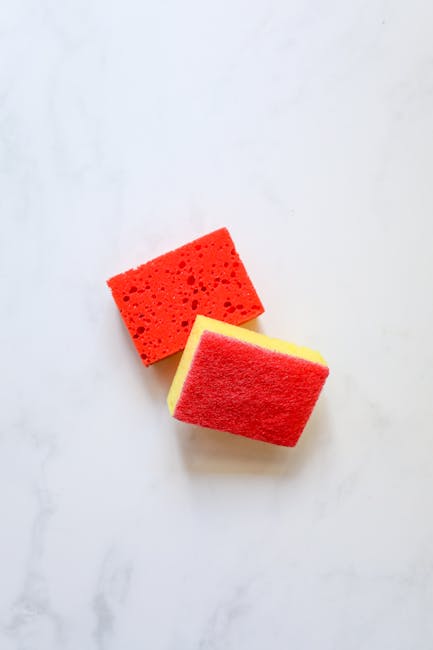
Selecting the right cleaning tools ensures ceramic cookware stays spotless and scratch-free. A soft sponge paired with mild detergent gently removes stains, maintaining the cookware's glossy finish. Avoid abrasive materials to keep the surface intact.
Cleaning ceramic cookware can seem straightforward, but using the wrong tools can lead to scratches or diminished performance. Choosing the right cleaning tools ensures your ceramic pots and pans stay in pristine condition for years. So, how do you pick the best ones? Let's dive in.
Essential Cleaning Supplies
To start, gather supplies that are gentle yet effective. Soft sponges are a must-have. They can remove residues without scratching the surface. I once tried a regular abrasive sponge, and it left small marks on my favorite ceramic skillet. Lesson learned! Dish soap with a mild formula works wonders. It tackles grease and grime while being gentle on ceramic surfaces. Look for one labeled as 'non-abrasive' to keep your cookware shining. Another essential is baking soda. It's a natural cleaner that won't harm your ceramic pots. Mix it with water to create a paste for stubborn stains. This simple trick has saved many of my meals from burnt-on disasters.
Avoiding Damaging Tools
Steer clear of metal scrubbers. They might seem effective, but they can scratch and ruin the ceramic coating. I once used steel wool in desperation, and it was a mistake I regretted. Avoid harsh chemicals. Strong cleaners might promise quick results, but they can erode the ceramic surface over time. Instead, stick to natural solutions like vinegar mixed with water. Finally, resist the urge to use sharp tools like knives to scrape off food residues. They may seem handy, but a gentle approach is best. Use a soft cloth or plastic scraper to tackle stuck-on bits. Choosing the right cleaning tools can make a significant difference. What tools have you found effective for cleaning your ceramic cookware?

Credit: www.youtube.com
Pre-cleaning Steps
Cleaning ceramic cookware efficiently starts with the right pre-cleaning steps. These initial steps lay the foundation for a thorough cleaning process, ensuring your cookware lasts longer and maintains its shine. Let's dive into these crucial steps and set the stage for hassle-free cleaning.
Cooling Down The Cookware
Before rushing to clean your ceramic pots and pans, allow them to cool down. Hot ceramic surfaces can be sensitive to sudden temperature changes, leading to cracks or damage. Imagine saving a delicious meal only to ruin your favorite pan because you cleaned it too soon. Take a moment to let it sit, or handle other kitchen tasks as it cools.
Consider using a trivet or a cooling rack. These simple tools help speed up the cooling process without risking the integrity of your cookware. Not only does this save you from potential damage, but it also makes the cleaning process much safer and more efficient.
Removing Residual Food
Once your cookware is cool, it's time to tackle any leftover food. Residual food can be stubborn, sticking to surfaces and making cleaning a nightmare. Use a soft spatula or a wooden spoon to gently scrape off any food remnants. Be gentle to avoid scratching the ceramic surface.
Have you ever tried using a soft brush? It's surprisingly effective for dislodging food without causing scratches. This small investment can save you time and effort during cleaning, keeping your cookware in pristine condition.
Think about how much easier your cleaning routine becomes with these pre-cleaning steps. Are you ready to transform your cleaning habits and enjoy spotless cookware every time?
Daily Cleaning Techniques
Daily cleaning of ceramic cookware keeps it looking good. It also extends its lifespan. Proper cleaning ensures your cookware remains non-stick. It makes cooking easy every day. Follow these simple techniques to keep your ceramic cookware in top shape.
Using Mild Detergents
Always choose a mild detergent for washing ceramic cookware. Harsh chemicals can damage the surface. Gentle dish soap works best. Avoid abrasive cleaners. They can scratch and dull the finish. Use a soft sponge or cloth for cleaning.
Rinsing And Drying Properly
After washing, rinse the cookware well. Remove all soap residue. Soap left behind can affect taste. Dry the cookware immediately with a soft towel. This prevents water spots and keeps the surface smooth. Air drying is not recommended. It can lead to mineral deposits.
Tackling Stubborn Stains
Ceramic cookware is popular for its non-stick surface. But stubborn stains can be a challenge. These stains can dull the shine of your cookware. Luckily, there are simple methods to tackle them. You don’t need fancy products. Just a few household items will do the trick.
Baking Soda Paste Method
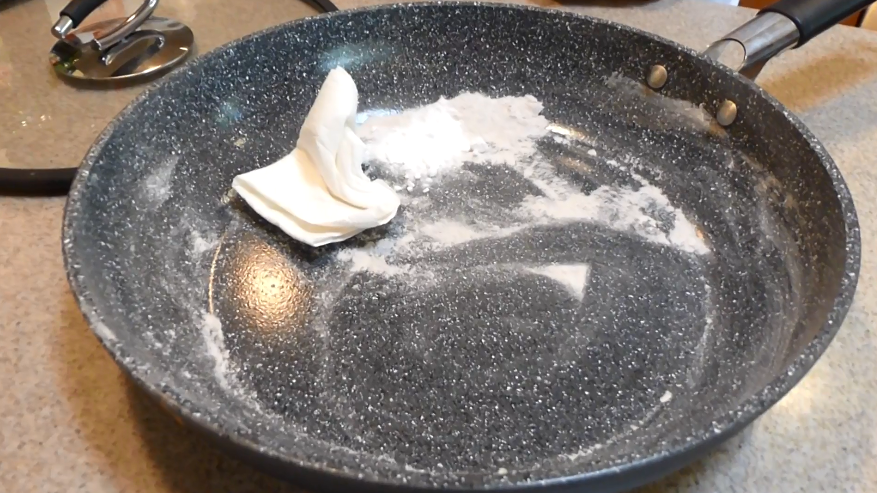
Baking soda is a powerful cleaner. To use it, make a paste. Mix baking soda with a little water. The paste should be thick. Apply it to the stained area. Let it sit for 15 minutes. Then, scrub gently with a soft sponge. Rinse with warm water. The stain should lift away easily.
Vinegar And Water Solution
Vinegar is another great cleaner. It helps dissolve stains and grime. Mix equal parts of vinegar and water. Pour the solution into the stained pan. Heat it on the stove until it simmers. Let it cool, then scrub gently. The stains will fade, leaving your cookware clean.
Deep Cleaning For Burnt Residue
Cleaning ceramic cookware can be challenging, especially with burnt residue. Deep cleaning becomes essential to restore its original shine. If food sticks and burns, simple washing might not work. Here, we explore two effective deep cleaning methods. These techniques help remove stubborn burnt bits and keep your ceramic cookware pristine.
Soaking Overnight Method
Fill the ceramic cookware with hot water. Add a few drops of mild dish soap. Let it soak overnight. This loosens stubborn burnt residue. In the morning, gently scrub the surface with a soft sponge. Rinse thoroughly with warm water. Dry with a soft cloth to prevent water spots.
Boiling Water And Vinegar Technique
Pour water into the burnt cookware, covering the residue. Add one cup of white vinegar. Heat the mixture until it boils. The acidity of vinegar helps break down burnt particles. After boiling, let it cool slightly. Use a non-abrasive scrubber to clean the surface. Rinse well with warm water and dry completely.

Credit: www.youtube.com
Preventing Future Damage
Ceramic cookware is a prized kitchen asset. Keeping it in good shape is vital. Preventing damage is easier than repairing it. Proper care extends its life and ensures better cooking results. Let's explore ways to protect your ceramic cookware.
Proper Storage Tips
Store cookware in a dry place. Keep it away from metal utensils. Use soft cloths or paper towels between stacked items. This prevents scratches. Hanging racks offer a great storage solution. They keep cookware separate and easily accessible. Consider using pot protectors. These thin pads prevent contact damage during storage.
Avoiding High Heat Cooking
Ceramic cookware dislikes high heat. Use low to medium settings for cooking. High temperatures can crack or warp the surface. Always preheat the pan gradually. Never place hot cookware in cold water. This can cause thermal shock. Use oils with high smoke points. They prevent residue build-up. Low heat is key for long-lasting cookware.
Maintaining Ceramic Cookware
Maintaining ceramic cookware is essential if you want to keep your pots and pans looking pristine and functioning well. Ceramic cookware is not only attractive but also offers a non-stick surface that makes cooking a breeze. However, improper care can lead to chips, scratches, and a reduced lifespan. By dedicating a little time to maintenance, you can ensure your ceramic cookware remains a kitchen favorite for years.
Regular Inspection For Cracks
First, make it a habit to regularly inspect your cookware for any signs of cracks or chips. This quick check can prevent minor issues from becoming major problems. If you notice any damage, it might be time to consider a replacement or repair.
Why is this important? Cracks can harbor bacteria and may cause the cookware to break while in use. It's always safer to address these issues early. Run your fingers gently over the surface to feel for any imperfections that your eyes might miss.
Have you ever been cooking a favorite recipe, only to have the pot crack mid-way through? Avoid such kitchen disasters by being vigilant with your inspections. Your favorite dish deserves a trusted companion in your cookware.
Re-seasoning Tips
Did you know that re-seasoning can extend the life of your ceramic cookware? This process is similar to seasoning cast iron and is surprisingly simple. Start by cleaning the cookware thoroughly with mild soap and warm water.
Once dry, apply a thin layer of cooking oil to the surface. Use a paper towel to spread it evenly. Place the cookware in an oven preheated to 350°F (175°C) for about 30 minutes.
This process helps maintain the non-stick surface, ensuring your pans are always ready for your culinary adventures. It's a small step that makes a big difference. How often should you re-season? Doing it once every few months keeps your cookware in top shape.
Remember the satisfaction of sliding a perfectly cooked omelet onto your plate? Re-seasoning can help ensure that every meal is as seamless as that. Isn't it worth the effort?
Maintaining your ceramic cookware doesn't have to be a chore. With regular inspections and occasional re-seasoning, you can enjoy cooking with confidence. What steps will you take today to keep your cookware in perfect condition?
Common Mistakes To Avoid
Cleaning ceramic cookware seems simple. Yet, many make costly mistakes. These errors reduce the lifespan of your cookware. Avoid common pitfalls to keep your ceramic cookware pristine. Let's explore two major blunders.
Using Abrasive Sponges
Abrasive sponges harm ceramic surfaces. They leave scratches that weaken the finish. These scratches trap food particles and oil. Over time, these become tough to remove. Use soft sponges or cloths instead. They clean effectively without damage.
Neglecting Regular Cleaning
Regular cleaning is crucial for ceramic cookware. Skipping washes leads to stubborn stains. These stains make cookware look old and worn. Clean your cookware after each use. This keeps it looking new and functioning well.
Credit: thedaringkitchen.com
Frequently Asked Questions
How To Remove Stains From Ceramic Cookware?
To remove stains from ceramic cookware, use baking soda and water paste. Apply it to the stain and let it sit for 15 minutes. Scrub gently with a soft sponge, then rinse thoroughly. This method helps restore the cookware's shine without damaging the ceramic surface.
Can Ceramic Cookware Go In The Dishwasher?
Most ceramic cookware is dishwasher-safe, but handwashing is recommended for longevity. Dishwashers can cause surface scratches and reduce non-stick properties. Use mild detergent and a soft sponge for handwashing. This ensures your ceramic cookware remains in top condition for longer.
Are Metal Utensils Safe For Ceramic Cookware?
Metal utensils can scratch and damage ceramic cookware surfaces. It's best to use wooden or silicone utensils. These prevent scratches and maintain the non-stick coating. Always avoid sharp objects when cooking with ceramic to keep your cookware looking new.
How Often Should You Clean Ceramic Cookware?
Clean ceramic cookware after each use to maintain its quality. Regular cleaning prevents food residue build-up and staining. Use gentle cleaning methods to preserve the ceramic surface. This routine ensures your cookware remains safe and functional for cooking.
Conclusion
Cleaning ceramic cookware is simple with the right steps. Use mild soap and a soft sponge. Avoid harsh scrubbers to prevent damage. Rinse thoroughly to remove all soap. Dry completely to avoid water spots. For tough stains, try baking soda paste.
Let it sit, then gently scrub. Regular cleaning keeps your cookware looking new. It also ensures healthier cooking. With these tips, your ceramic cookware will last longer. Enjoy cooking with clean, safe cookware. Remember, gentle care makes a big difference.
Happy cooking!