
Are you tired of your meals sticking to the pan or dealing with unevenly cooked food? Ceramic cookware might just be the game-changer you’ve been searching for in your kitchen.
Not only does it bring a touch of elegance to your culinary space, but it also promises healthier, more efficient cooking. Imagine the satisfaction of preparing your favorite dishes with ease, knowing they’re cooked just right. This guide is tailored to help you unlock the full potential of ceramic cookware, ensuring each meal you prepare is a delightful success.
Dive in to discover practical tips, essential techniques, and why ceramic might become your new best friend in the kitchen. Ready to revolutionize your cooking experience? Let's get started.

Credit: madeincookware.com
Benefits Of Ceramic Cookware
Ceramic cookware offers even heat distribution, ensuring food cooks evenly. Its non-stick surface makes cleaning easy. Cooking with ceramic helps retain natural flavors and nutrients, enhancing meals.
Cooking with ceramic cookware offers a unique experience that enhances your culinary adventures. Why choose ceramic? Let's dive into the benefits that make ceramic cookware a favorite in many kitchens.
Durability And Longevity
Ceramic cookware is known for its robust nature. It can withstand high temperatures without wearing out. You'll find that it lasts longer than many other types of cookware, saving you money in the long run.
Non-stick Surface
One of the standout features of ceramic cookware is its non-stick surface. It allows you to cook with less oil, promoting healthier meals. Imagine flipping a pancake without it sticking—ceramic makes it easy.
Easy To Clean
No more scrubbing for hours. Ceramic cookware wipes clean effortlessly. A quick rinse is often all it takes, freeing up your time for more enjoyable activities.
Even Heat Distribution
Ceramic ensures your food cooks evenly. No more burnt edges or undercooked centers. This makes it perfect for dishes where uniform cooking is crucial, like casseroles or stir-fries.
Health Benefits
Ceramic cookware is free from toxic chemicals found in some non-stick coatings. You can cook with peace of mind knowing your food is safe from harmful substances.
Stylish Appearance
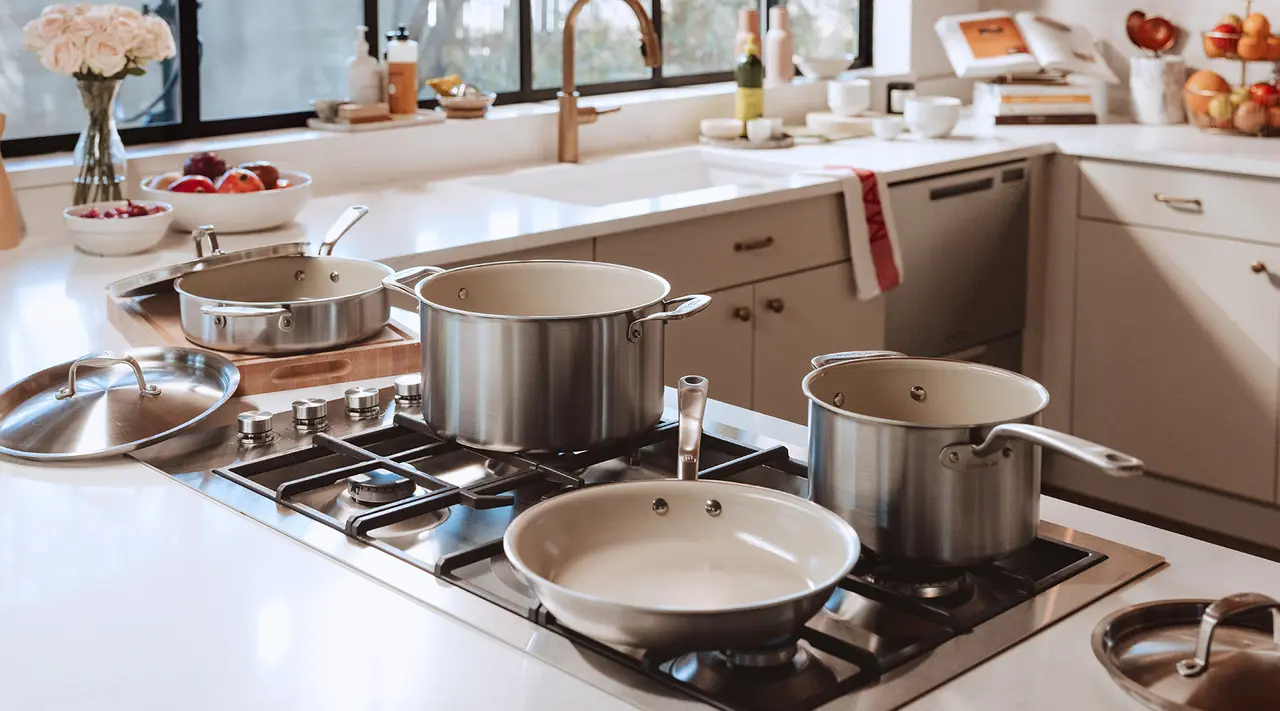
Ceramic pots and pans come in a variety of colors and designs. They not only function well but also add a touch of style to your kitchen. Choose a color that matches your kitchen decor and make cooking a delightful experience. Have you ever thought about how your choice of cookware could impact your health or cooking efficiency? Ceramic cookware might be the game-changer you've been looking for.
Credit: madeincookware.com
Choosing The Right Ceramic Cookware
Cooking with ceramic cookware offers a unique and safe experience in the kitchen. Heat distribution is even, reducing the risk of burning food. Non-stick surfaces make cleanup easy, allowing you to focus on creating delicious meals. Choosing the right ceramic cookware ensures your dishes cook perfectly every time.
Choosing the right ceramic cookware can transform your cooking experience. It's not just about buying something that looks good; it's about selecting pieces that enhance your culinary skills. The right choice can bring out the best in your dishes and make cooking a joy rather than a chore. But how do you make the right choice? Let’s delve into the key considerations for selecting ceramic cookware that suits your kitchen needs.
Material Quality
Material quality is crucial when selecting ceramic cookware. High-quality ceramic offers excellent heat distribution, ensuring your food cooks evenly. Look for cookware with a durable glaze finish. This helps prevent chips and scratches, maintaining the cookware's appearance and performance. You want pieces that can withstand daily use without losing their charm. Have you ever noticed how some cookware just feels sturdy and reliable? That's what you’re aiming for.
Size And Shape Considerations
Consider the size and shape of the cookware that fits your cooking style. If you often cook for a family, larger pans might be necessary. Smaller pans are great for quick meals or side dishes. Think about the types of dishes you frequently prepare. Do round pans work better for your casseroles, or are oval pots more suited to your roasts? Choosing the right size and shape can streamline your cooking process. It's like finding that perfect pair of shoes that make every step feel just right.
Safety Features
Safety features should never be overlooked. Look for ceramic cookware with ergonomic handles. This makes it easier to grip, reducing the risk of accidents. Some cookware comes with lids that have steam vents, preventing overpressure buildup. Non-toxic materials are also essential to ensure safe cooking. You don't want to worry about harmful chemicals leaching into your food. Investing in cookware that prioritizes safety is investing in peace of mind. Isn’t it comforting to know your kitchen tools have your back? By focusing on these aspects, you can find ceramic cookware that not only meets your needs but also enhances your cooking experience. What has been your biggest challenge in choosing cookware?
Preparing Ceramic Cookware For First Use
Ceramic cookware is a popular choice in modern kitchens. Its non-stick surface and even heat distribution make cooking easier. Before using your ceramic cookware, proper preparation is essential. This ensures its longevity and performance. Follow these steps to get your cookware ready for its first use. A little preparation goes a long way in maintaining your cookware.
Initial Cleaning
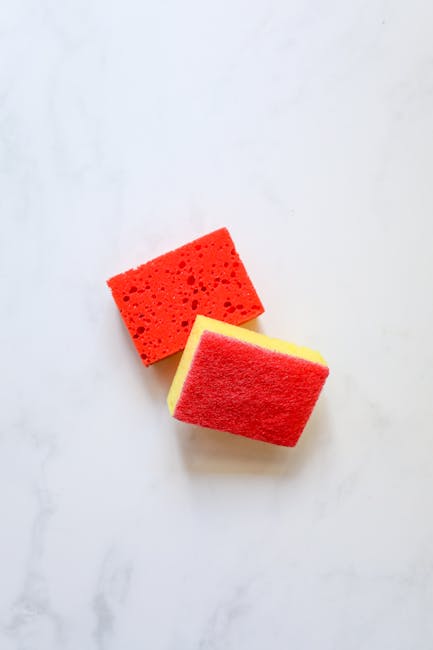
Before using your ceramic cookware, start with a thorough wash. Use warm water and mild dish soap. Gently scrub the surface with a soft sponge. Avoid using abrasive cleaners or pads. These can damage the ceramic surface. Rinse the cookware well to remove soap residue. Dry it completely with a soft towel. Proper initial cleaning removes any factory residues.
Seasoning Techniques
Seasoning helps enhance the non-stick properties. It also protects the ceramic coating. To season, apply a thin layer of cooking oil. Use a paper towel to spread it evenly on the surface. Heat the cookware on low for about two minutes. Let it cool completely before wiping away excess oil. Repeat this process if necessary. Seasoning your cookware ensures better cooking results.
Cooking Techniques With Ceramic
Ceramic cookware heats evenly, making it ideal for slow cooking. Its non-stick surface requires less oil, promoting healthier meals. Easy to clean and versatile, ceramic is perfect for everyday use.
Cooking with ceramic cookware opens up a world of possibilities. The non-reactive surface ensures flavors remain true. Ceramic is perfect for those who want healthier meals. It's versatile, durable, and easy to clean. Understanding the right techniques can enhance your cooking experience. Let's dive into the essentials of cooking with ceramic.
Heat Settings And Temperature Control
Ceramic cookware heats evenly. Start with low to medium settings. High heat might damage the surface. Gradually increase the temperature for precise control. Use a stove with consistent heat distribution. This helps maintain the integrity of your dishes. Slow-cooked meals benefit from ceramic’s steady heat.
Oil And Fat Usage
Ceramic doesn’t require much oil. A small amount prevents food from sticking. Choose oils with high smoke points. Olive and coconut oil are great options. Too much oil can create greasy residue. A light coating is usually sufficient. This makes meals healthier and tastier.
Avoiding Sticking
Ensure the ceramic is clean before cooking. Food sticks less on a clean surface. Preheat the cookware for a few minutes. This helps in reducing sticking. Use silicone or wooden utensils. Metal can scratch the surface. Avoid cooking on high heat. High temperatures increase sticking risk.
Maintaining Ceramic Cookware
Maintaining ceramic cookware ensures its longevity and performance. Proper care helps retain its non-stick surface and vibrant colors. It's essential to follow specific guidelines to keep your cookware in top condition. This ensures that your culinary creations come out perfectly every time.
Cleaning Tips
Always allow ceramic cookware to cool before cleaning. Sudden temperature changes can damage it. Use a soft sponge and mild detergent for washing. Avoid abrasive scrubbers as they can scratch the surface. If food sticks, soak the pan in warm water for a few minutes. This will make cleaning easier. Hand washing is best. Dishwashers can shorten the cookware’s life.
Storage Recommendations
Store ceramic cookware carefully to prevent scratches. Use soft cloths or paper towels between stacked items. This prevents the surfaces from rubbing against each other. If space allows, hang your pans. This keeps them in good condition and saves space. Ensure your storage area is dry to avoid moisture-related issues.
Handling Scratches And Chips
Inspect your cookware regularly for scratches or chips. Minor scratches are generally safe but can affect the non-stick property. For deeper chips, consider replacing the cookware. Cooking with chipped ceramic can be unsafe. To avoid future damage, use wooden or silicone utensils. Metal utensils can cause scratches or chips.

Credit: madeincookware.com
Common Mistakes To Avoid
Avoid using metal utensils to prevent scratches on ceramic cookware. Preheat the cookware gradually to avoid damage. Avoid high heat settings to maintain the non-stick surface.
Cooking with ceramic cookware can be a delightful experience, offering even heat distribution and a non-stick surface that promises healthier meals. However, like all kitchen tools, there are common pitfalls that can affect your cooking experience and the longevity of your cookware. Knowing what to avoid can help you master the art of ceramic cooking and keep your pans in top shape for years. Let's dive into some common mistakes you might be making without even realizing it.
Using High Heat
You might think cranking up the heat will get your meal done faster. However, ceramic cookware is designed for low to medium heat. High temperatures can damage the non-stick surface, reducing its lifespan and effectiveness. Next time, try starting with a medium heat setting and adjust as necessary. You’ll find the results just as satisfying without the risk of ruining your pan.
Using Metal Utensils
Metal utensils can be the nemesis of ceramic cookware. They can scratch and damage the delicate non-stick coating. Opt for silicone, wood, or plastic utensils instead. They’re gentle on the surface and keep your cookware looking new. Have you ever noticed tiny scratches on your pan? It’s time to swap those metal spatulas for something more forgiving.
Not Allowing The Pan To Cool Before Cleaning
It’s tempting to wash your pans immediately after cooking, especially when you’re tidying up. Placing a hot ceramic pan under cold water can cause thermal shock, leading to cracks or warping. Instead, let your pan cool down naturally before washing. This simple step can significantly extend the life of your cookware. Remember, patience in the kitchen pays off.
Using Abrasive Cleaners
When stubborn food bits stick, reaching for a scouring pad might seem logical. But abrasive cleaners can erode the non-stick surface. Use a soft sponge and mild detergent instead. If food residue persists, soak the pan in warm soapy water before gently cleaning. This method preserves the integrity of your cookware, ensuring it remains non-stick over time.
Stacking Without Protection
Do you stack your pans to save space? Without proper protection, stacking can lead to scratches and chips. Place a soft cloth or paper towel between each pan when stacking. This simple trick can prevent surface damage and keep your cookware looking pristine. Are you maximizing your kitchen space while protecting your investment? By avoiding these common mistakes, you enhance not only the performance of your ceramic cookware but also your overall cooking experience. Happy cooking!
Enhancing Flavor With Ceramic Cookware
Ceramic cookware enhances flavor by distributing heat evenly, preventing food from sticking. Its non-reactive surface preserves natural taste and aroma. Cooking with ceramic involves gentle heat adjustments to maintain food's integrity and flavor, making it perfect for simmering and sautéing.
Ceramic cookware is a gem for the kitchen. It offers unique benefits. One key advantage? Enhanced flavor in your dishes. This cookware distributes heat evenly. It helps food cook at a steady pace. Say goodbye to burnt spots. Say hello to consistent flavors. Ceramic cookware is non-reactive. It doesn't alter food taste. Your dishes taste pure. Just as you intend them. The ceramic surface locks in moisture. Your meals remain juicy and delicious. Let’s explore more about how ceramic cookware enhances flavor.
Even Heat Distribution
Ceramic cookware spreads heat evenly. This ensures food cooks uniformly. No part of the food gets overcooked. Every bite tastes the same. This consistent heat also preserves nutrients. Your food remains healthy and flavorful.
Non-reactive Surface
Ceramic cookware is non-reactive. It doesn't leach chemicals into food. Your dishes retain their original taste. This feature is crucial for acidic ingredients. Tomatoes and citrus fruits taste fresh. You get the true flavors.
Locking In Moisture
Ceramic cookware seals in moisture. Your dishes stay tender and juicy. This is perfect for slow cooking. The sealed moisture enhances flavor depth. Meats become succulent. Vegetables retain their natural juices.
Easy Clean-up
Cleaning ceramic cookware is a breeze. The smooth surface resists sticking. You can wash off food residue easily. This effortless cleaning maintains the cookware's quality. It also helps preserve food flavors over time. `
Frequently Asked Questions
What Are The Benefits Of Ceramic Cookware?
Ceramic cookware offers non-stick properties and even heat distribution. It's free from harmful chemicals like PFOA and PTFE. This makes it a healthier choice. Ceramic cookware is easy to clean and can enhance your cooking experience. It's also versatile, suitable for various cooking methods.
How To Care For Ceramic Cookware?
To care for ceramic cookware, use gentle cleansers and avoid abrasive scrubbing. Let cookware cool before washing. Use silicone or wooden utensils to prevent scratches. Store cookware carefully to maintain its surface. Proper care extends the life of your ceramic cookware and maintains its non-stick properties.
Can Ceramic Cookware Go In The Oven?
Yes, ceramic cookware is oven-safe and can withstand high temperatures. Check manufacturer guidelines for specific heat limits. Always use oven mitts to handle hot cookware. Ceramic's versatility allows you to transition from stovetop to oven effortlessly, enhancing your cooking options.
Is Ceramic Cookware Safe For All Stovetops?
Ceramic cookware is safe for most stovetops, including gas and electric. However, it's not suitable for induction unless specified. Ensure a flat base for stability and even heating. Using ceramic cookware on the right stovetop enhances cooking performance and safety.
Conclusion
Ceramic cookware offers safe and easy cooking options. It's simple to use and clean. Perfect for everyday meals. It distributes heat evenly for perfect dishes. No more burnt edges or undercooked centers. Ideal for health-conscious cooking. No harmful chemicals leaching into food.
Enjoy tasty meals with peace of mind. Easy to maintain, it lasts long if cared for properly. Start experimenting with new recipes today. Discover the joy of cooking with ceramic. Happy cooking!